Spotted Dick

The name is old and plain; the pudding is older still
Spotted dick is a steamed suet sponge studded with currants — the "spots" — and lifted with lemon zest. It appears in Alexis Soyer's The Modern Housewife as early as 1849 and in various Victorian household manuals shortly after. The second element of the name remains disputed: "dick" may be a corruption of "dough", or simply a regional shortening of "pudding" — none of the proposed etymologies has been conclusively settled, and the word presents no difficulty beyond occasional amusement.
The Recipe
For one pudding, serving 4–6: 175 g self-raising flour, 100 g shredded suet (beef or vegetable), 75 g caster sugar, 150 g currants, the finely grated zest of one unwaxed lemon, a pinch of fine salt, and roughly 150 ml whole milk.
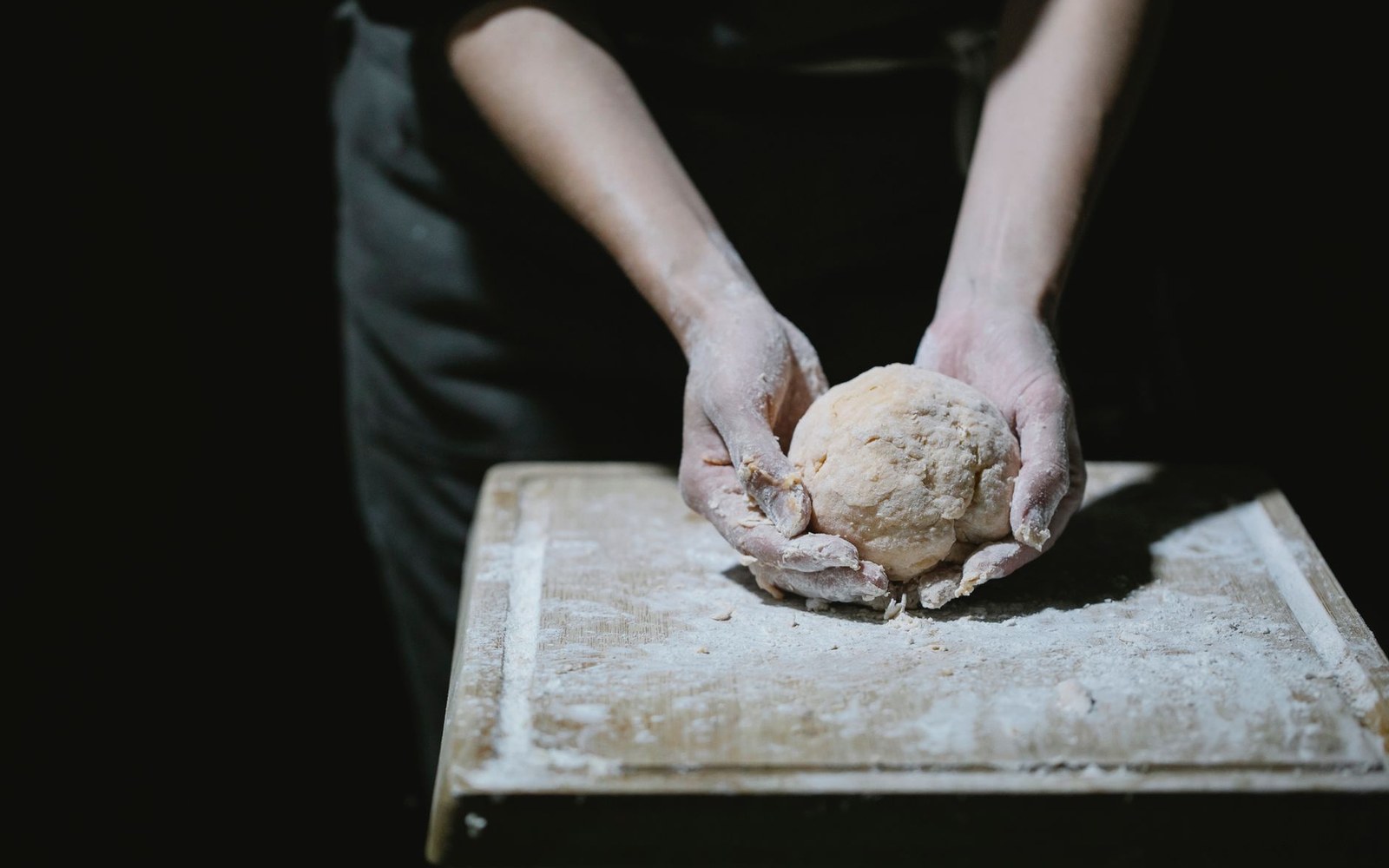
Stir the dry ingredients together, add the lemon zest, then pour in enough milk to bring the mixture to a soft, slightly sticky dough — not a pourable batter. The gluten development here should be minimal; mix until just combined.
Cloth method: Flour a clean pudding cloth generously, pile the dough into the centre, roll it into a log and tie the ends tightly with string, leaving room for the pudding to swell. Lower into a pan of steadily simmering water and boil for 1 hour 45 minutes, topping up the water as needed.

Basin method: Pack the dough into a greased 1-litre pudding basin. Cover with a sheet of greaseproof paper and foil, both pleated across the centre to allow for expansion, and secure with string under the lip. Steam over simmering water for 1 hour 30 minutes. Keep the water at a gentle simmer throughout and do not let the pan boil dry.
Either method produces a firm, moist sponge — the cloth version slightly denser with a darker outer crust from direct water contact; the basin version paler and more evenly crumbed. Both turn out cleanly once rested for three or four minutes.
Serve in thick slices with custard — poured, warm and abundant. Cream is acceptable. Jam is not.