Jam Roly-Poly, Cloth-Boiled or Baked
A suet pastry rolled with jam: the cloth-boiled original and the oven method that has largely replaced it, with quantities and timings for both.
What It Is and What Goes Into It
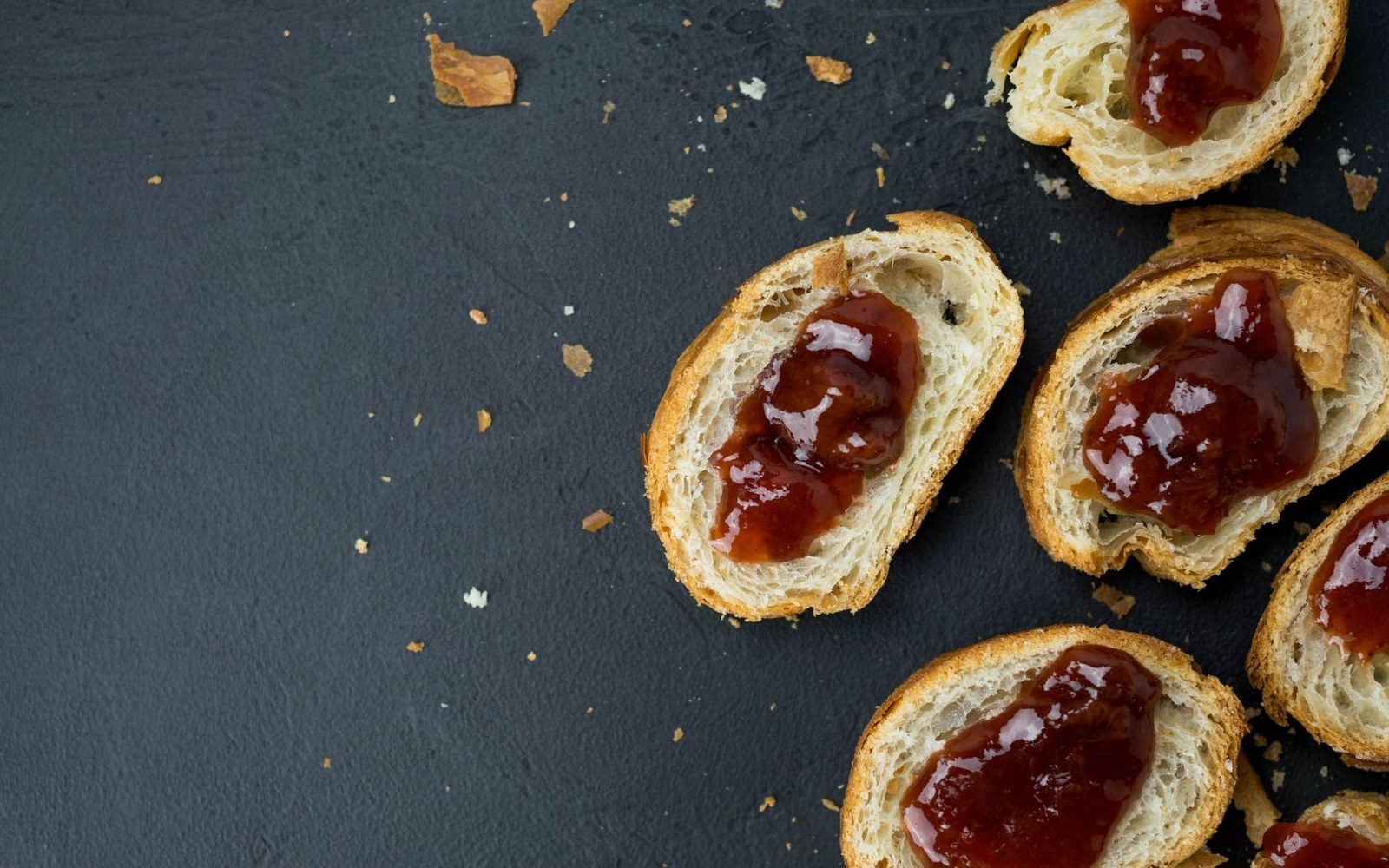
Jam roly-poly is a flat sheet of suet pastry spread with jam, rolled into a cylinder and cooked either in a pudding cloth or in a hot oven. It is one of the plainest puddings in the British repertoire — no eggs, no spices, no elaborate preparation — and its character depends almost entirely on the fat. Suet, the hard fat surrounding beef or lamb kidneys, gives the pastry its particular open, crumbly texture and a mild savouriness that stops the jam from reading as purely sweet. Vegetable suet produces a slightly cleaner flavour but otherwise behaves much the same.
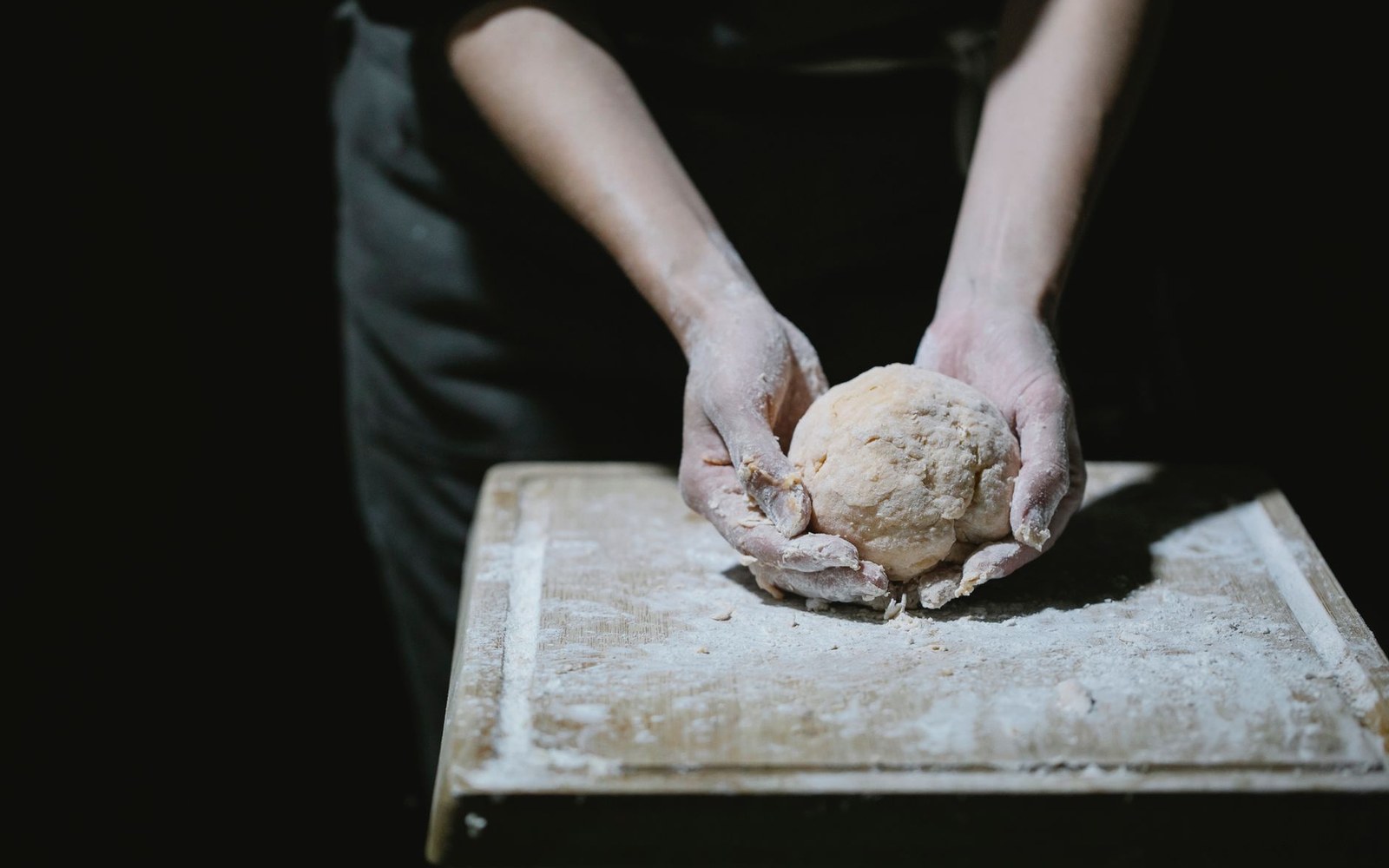
The standard proportions are 225g self-raising flour, 110g shredded suet and a pinch of salt, mixed with enough cold water — roughly 100ml — to bring the dough together without kneading. Overworking develops gluten and toughens the result; stir until the flour is just absorbed and stop. Roll the dough on a lightly floured surface to a rectangle approximately 25cm by 30cm and no more than 1cm thick. Spread 4–5 tablespoons of jam over the surface, leaving a 2cm border at one short end so the filling does not squeeze out when rolled. Strawberry and raspberry are traditional; raspberry jam, with its slight acidity, cuts through the richness of the pastry most cleanly.
The Cloth Method
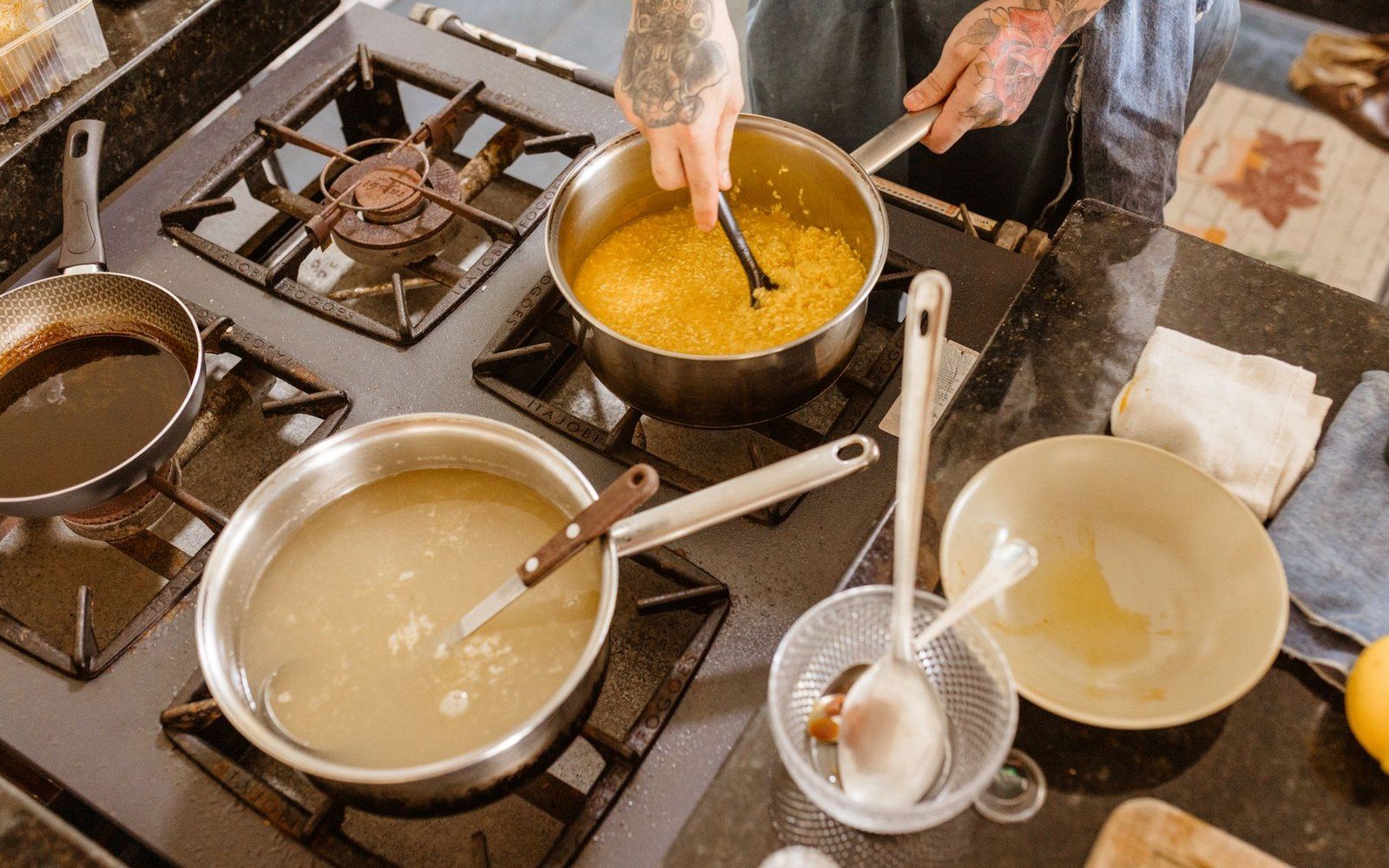
Wrapping in a floured pudding cloth is the older technique, and it produces the softer, denser result. Lay a piece of muslin or a clean cotton tea towel flat, flour it generously, and place the rolled pudding on it. Roll the cloth around the pudding, leaving a few centimetres of slack at each end — the pastry will expand during cooking — and tie the ends securely with kitchen string. Lower the roll into a pan of steadily simmering water and cook for 1 hour 45 minutes to 2 hours, topping up the water as needed to keep the pudding submerged. Do not let it boil hard: a fast boil breaks the cloth's seal and forces water into the pastry.
To serve, lift the roll out, snip the string and unroll the cloth carefully. The surface will be pale and slightly sticky, the interior just set. The pudding is fragile at this stage and should be slid directly onto the serving plate rather than lifted.
The Oven Method
Baking became the common alternative once domestic ovens were reliable enough to hold a steady temperature, and it is now spotted dick's neighbour in the weeknight repertoire. For this method, wrap the roll in a double layer of greaseproof paper, twisting the ends tightly like a cracker, then wrap again in foil. Place the parcel on a wire rack set over a roasting tin filled with 2–3cm of boiling water, and bake at 190°C (170°C fan) for 35–40 minutes. The steam from the tray keeps the atmosphere humid, which prevents the pastry from drying out and cracking.
Unwrap at the table if possible; the steam escaping from the parcel is part of the occasion. The baked version has a slightly drier, more defined crust where the pastry contacted the paper, and the interior is marginally firmer than the cloth-boiled equivalent. Neither is superior in any absolute sense — they are genuinely different results, and which a cook prefers usually comes down to what they grew up eating.
Both methods serve four to six. Serve immediately with custard, which should be poured rather than set: the pudding needs something liquid to offset the density of the pastry. Cream or jam and cream work, but custard is the correct accompaniment and has been since at least the mid-Victorian period, when the suet-rolled pudding was already a household staple.