Brandy Butter and Rum Sauce: What Each One Actually Does
Two sauces, one cold and one hot — and the choice between them matters more than most people think.
What They Are
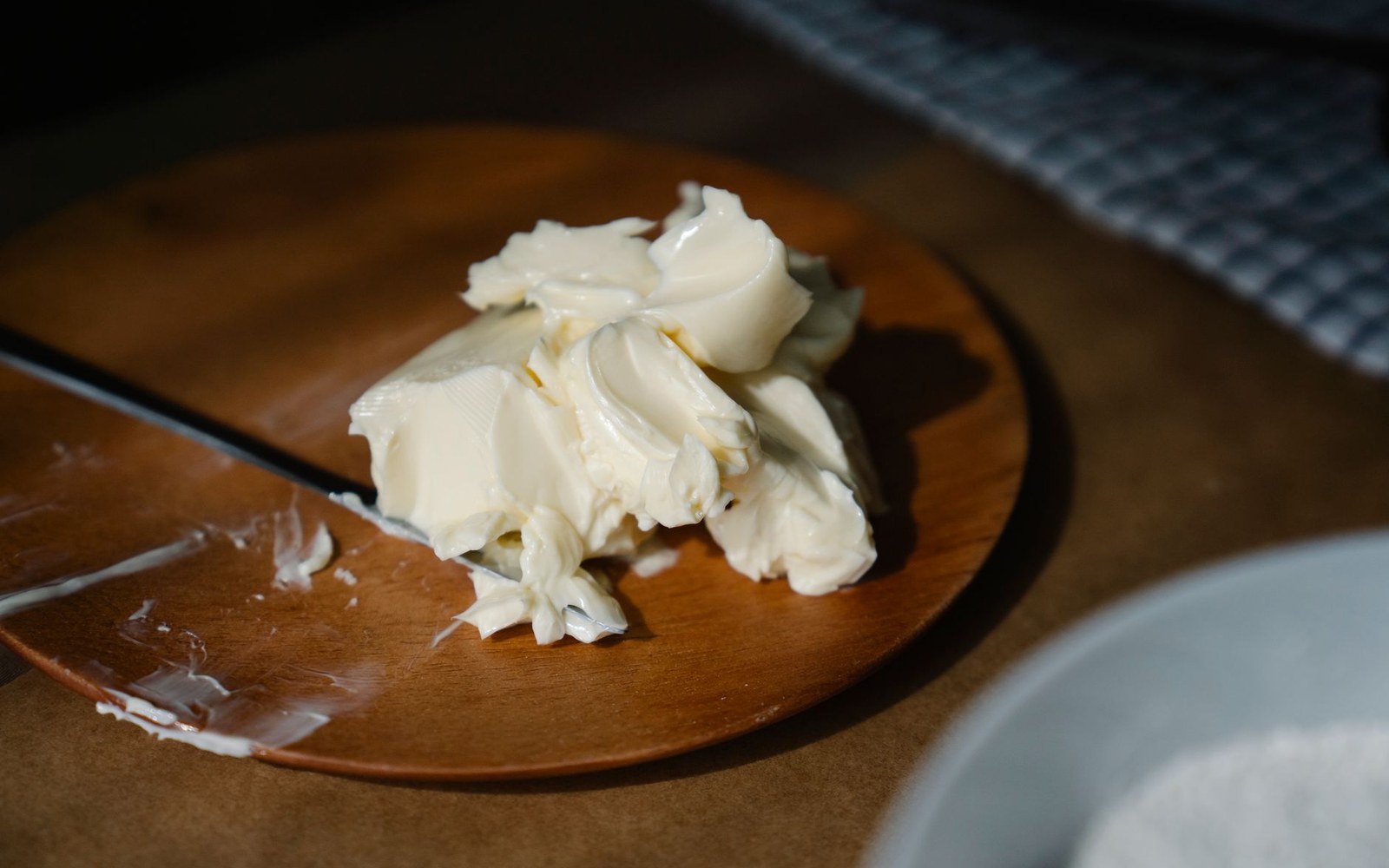
Brandy butter is not a sauce in any fluid sense. It is softened unsalted butter beaten with icing sugar until pale and aerated, then worked with brandy until the spirit is fully absorbed. Chilled until firm, it is served in a cold, solid slice that lands on the hot pudding and melts slowly downward, carrying fat and sugar into every crevice. The effect is rich and slightly resistant — the cold against the heat, the butter against the dark fruit. Mrs Beeton's Book of Household Management (1861) includes a similar compound butter under the name "brandy sauce," though the stiff, beaten version now considered standard took its definitive form through the Victorian table rather than any single recipe.
Rum sauce is a different proposition entirely. It is a cooked, pourable sauce — butter and flour in a roux, let down with full-fat milk, sweetened, then finished with dark rum off the heat. The result is smooth, warm and just thick enough to coat the back of a spoon without setting. Where brandy butter sits on a pudding, rum sauce runs into it, reaching the parts a solid butter cannot.
The Recipes
Brandy butter — serves eight generously alongside a standard 1kg Christmas pudding.
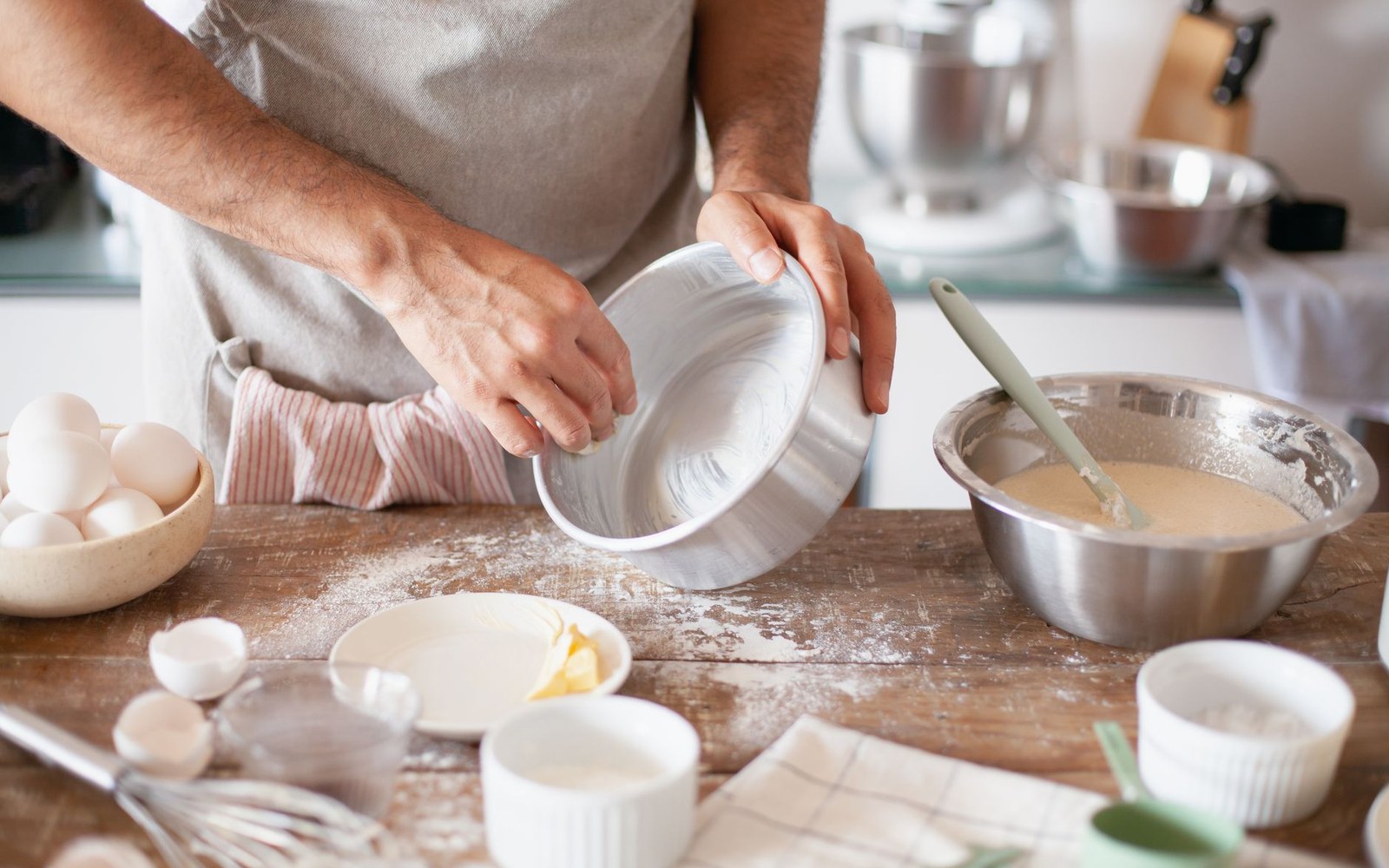
Beat 250g unsalted butter (at room temperature) with an electric mixer until pale and fluffy, about three minutes. Add 250g sifted icing sugar in two additions, beating well between each. With the mixer running on low, add 60ml good brandy one tablespoon at a time, scraping the bowl between additions. The mixture will look briefly curdled; it will come back together. Transfer to a serving dish or roll in cling film to a log. Refrigerate for at least two hours — overnight is better. Slice from cold directly onto the hot pudding.
The proportion of brandy here is deliberate: enough to taste clearly, not so much that the emulsion breaks. More than 75ml risks a greasy split. Less than 40ml is barely worth the bottle.
Rum sauce — serves eight.
Melt 40g unsalted butter in a medium saucepan over a low flame. Stir in 40g plain flour and cook for two minutes, stirring, to knock out the raw taste. Gradually whisk in 500ml full-fat milk, adding it in a thin, steady stream. Raise the heat to medium and stir continuously until the sauce thickens and just comes to a simmer, about six minutes. Remove from the heat. Stir in 30g caster sugar, a pinch of fine salt, and 50ml dark rum. Taste and adjust the rum. Serve immediately, or keep warm over a very low heat with a butter paper pressed to the surface.
The roux base sets this apart from a custard: no eggs, no risk of splitting, and a texture that holds well through a long Christmas lunch. A custard, by contrast, demands timing and careful temperature control.
Which Pudding, Which Sauce
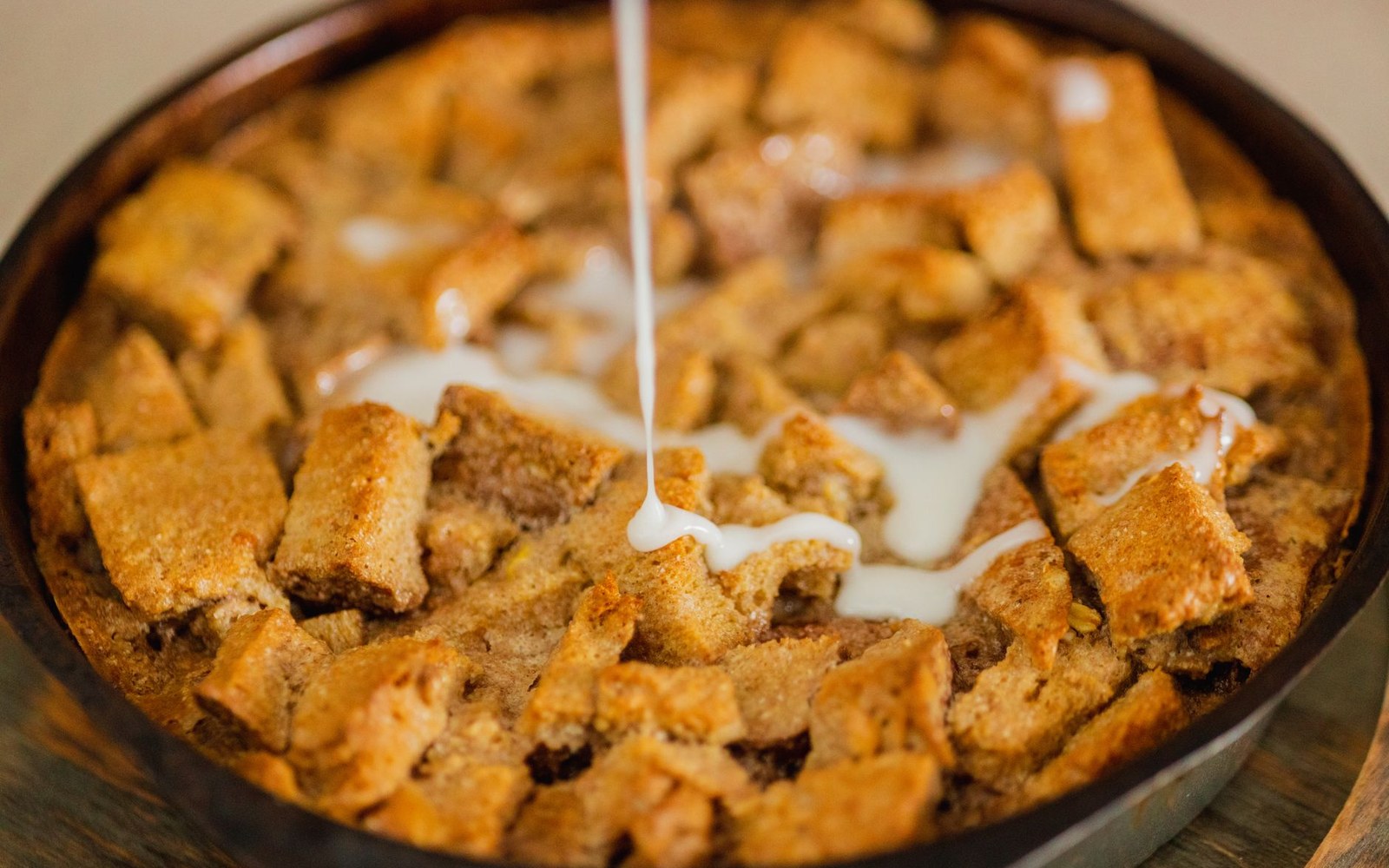
Brandy butter suits the Christmas pudding almost exclusively, and it suits it because the pudding is dense and already very rich. The cold butter provides contrast — textural, thermal, and in flavour, since the brandy plays directly against the dark muscovado and black treacle bitterness in the pudding itself. That same richness, however, makes brandy butter a poor match for lighter sponge puddings: it overwhelms a treacle sponge and simply lies on top of a bread-and-butter pudding without integrating.
Rum sauce is more flexible. It serves the Christmas pudding well when brandy butter feels like too much — particularly useful at a table where some guests find cold butter on hot food an odd proposition. It also works cleanly alongside steamed sponge puddings, where the warmth of the sauce and the warmth of the pudding belong together rather than in opposition.
The dried vine fruit in a Christmas pudding accounts for most of its weight and nearly all of its moisture; both sauces are calibrated against that density. Neither will do much for a pudding that is not worth serving in the first place.