Trifle, Assembled in the Right Order
A glass bowl, four layers, and the patience to let each one set before adding the next.
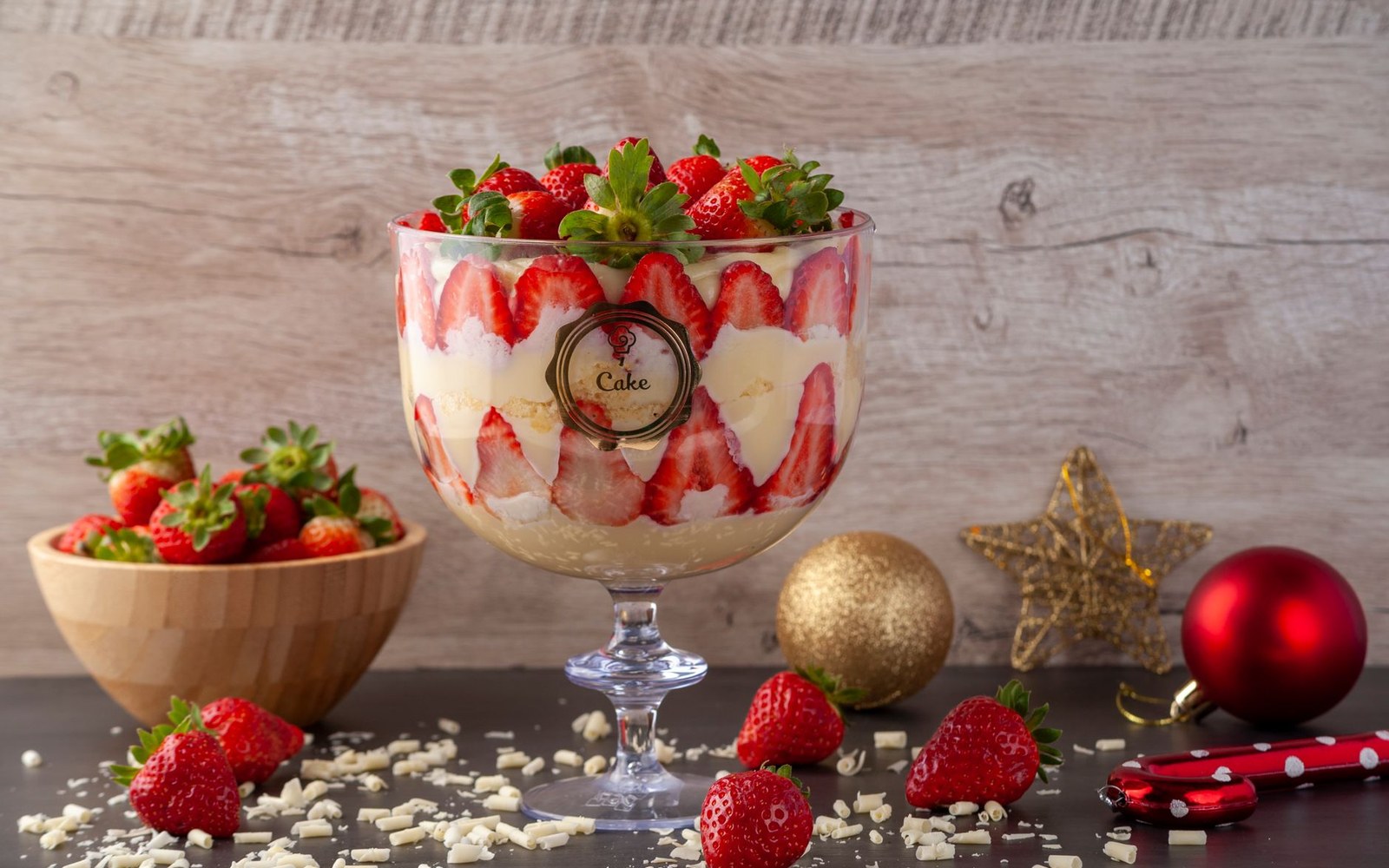
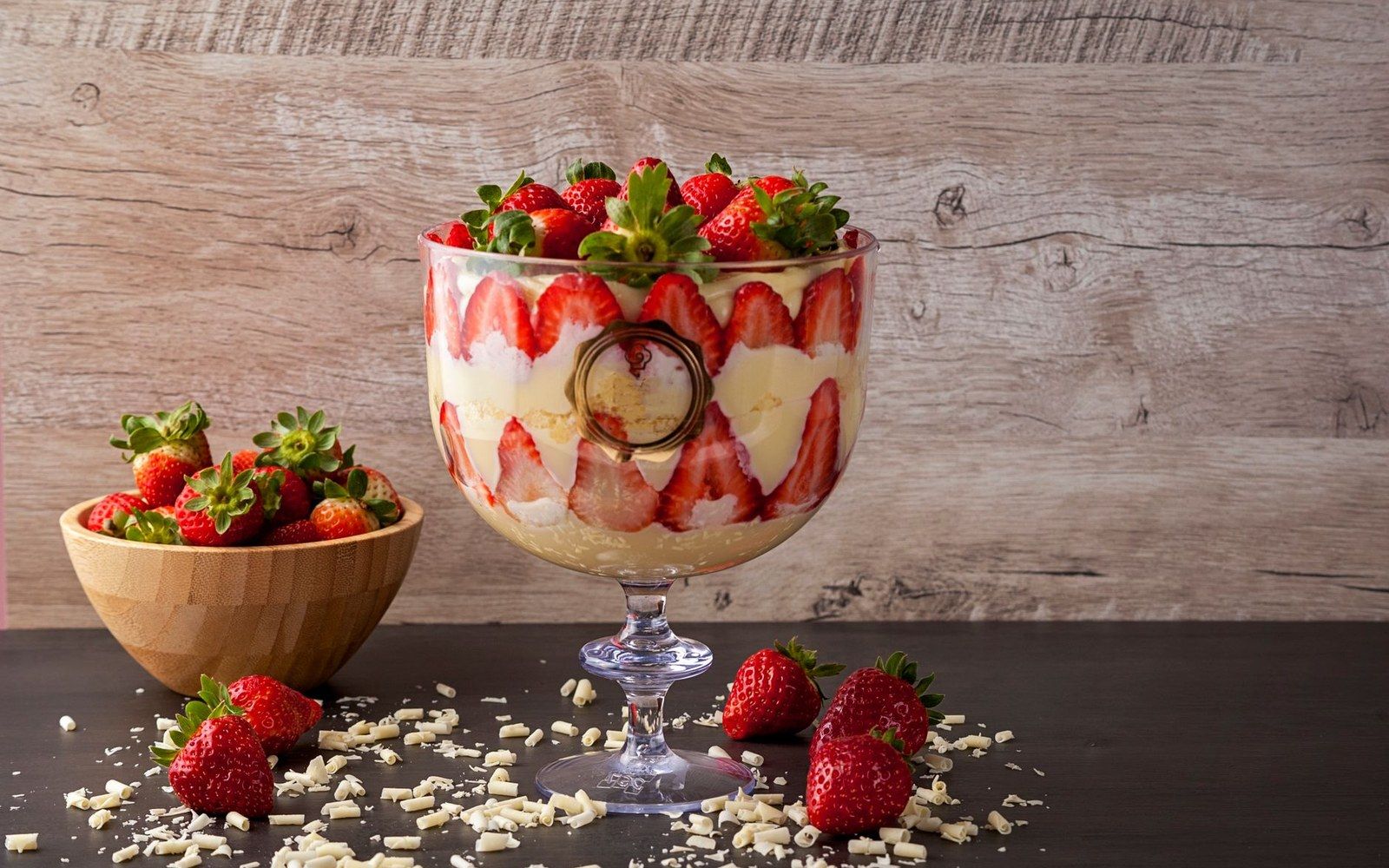
The Layers and What They Need
A trifle is not complicated, but it is sequential. Each layer must be cold and stable before the next goes on, or the whole thing — custard pooling into sponge, cream sagging into custard — collapses into a handsome mess. Work through a day, not an afternoon, and the result holds its geometry from serving spoon to plate.
Start with the sponge. Eight trifle sponge fingers, or a 150g slice of plain Victoria sponge, split through the middle, laid cut-side up in a 2-litre glass bowl. Pour over 100ml of medium-dry sherry — something in the amontillado register rather than cream sherry, which is cloying, or fino, which disappears. Press the sponge lightly with the back of a spoon so every piece is saturated, then leave it. No need to rush to the fruit.
Fruit comes next. The orthodox choice is 400g of raspberries, fresh or thawed from frozen, scattered directly onto the sponge. Thawed fruit releases juice, which compounds the soaking and pulls the layers together; fresh fruit holds its shape better but contributes less flavour to the tier below. Either works. Some recipes call for a thin layer of raspberry jam spread across the sponge before the fruit goes on — 2 tablespoons, no more — which adds a concentrated sweetness that holds up against the cream above.
The Custard Is the Argument
This is where the trifle divides into two kitchens: the packet-custard kitchen and the real one. A poured custard made from egg yolks, whole milk and double cream is not difficult, and it is noticeably better — thicker, richer, with a depth of flavour that the powder versions approximate but do not match.
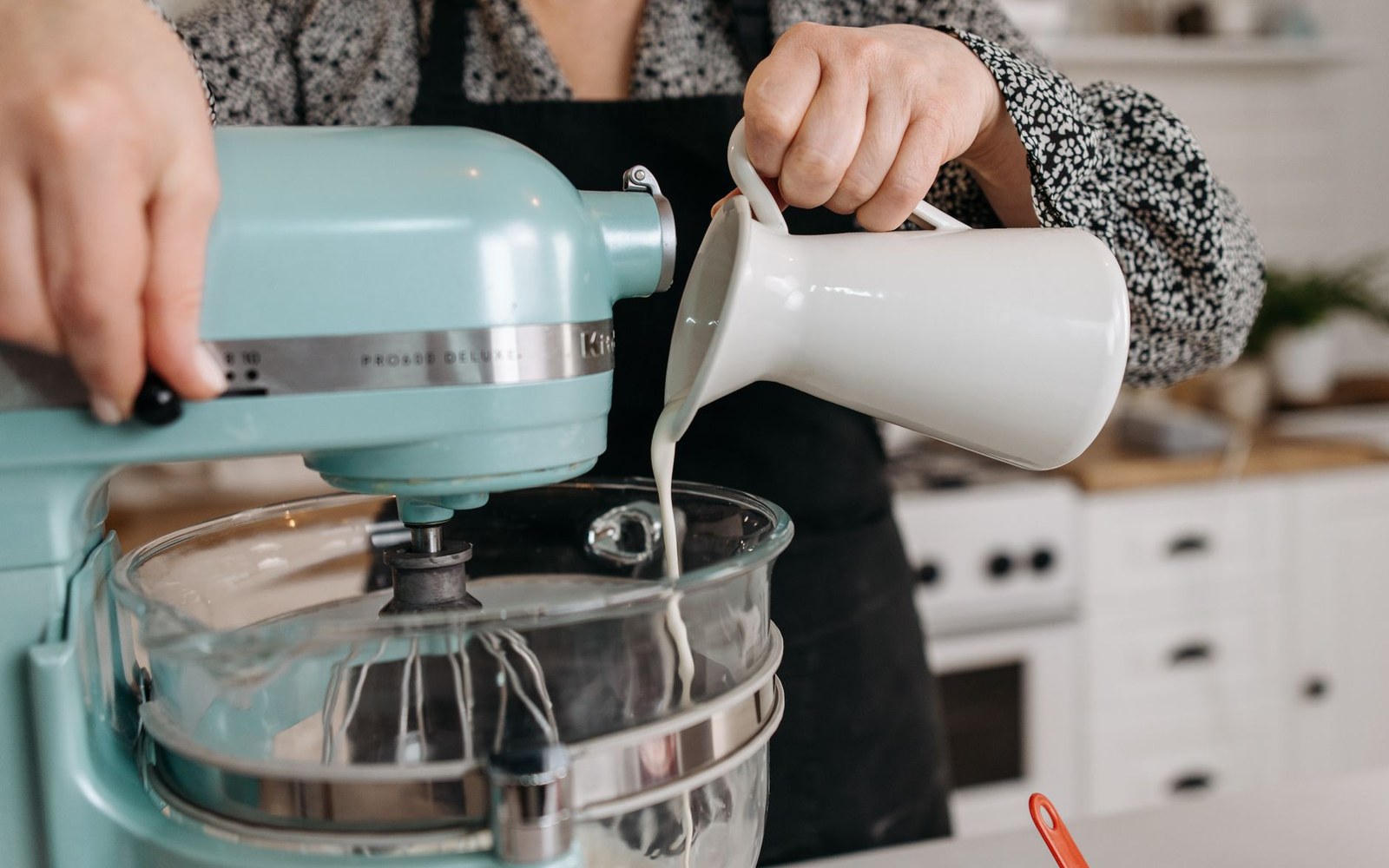
For the trifle layer: combine 500ml of full-fat milk with 100ml of double cream in a saucepan and heat to just below a simmer. In a bowl, whisk 6 egg yolks with 50g of caster sugar and 2 teaspoons of cornflour. Pour the hot milk over the yolks slowly, whisking constantly, then return everything to the pan over a gentle heat. Stir without stopping — a wooden spoon, working the base and sides — until the custard coats the spoon and holds a clear line when you draw a finger across it. This takes seven to ten minutes and does not need the drama of a bain-marie unless you are new to it; steady heat and constant motion are sufficient.
Take it off the heat, press clingfilm directly onto the surface to stop a skin forming, and leave it to cool to room temperature before pouring it over the fruit. The cornflour stabilises the yolk proteins, which means the custard will set firm enough to hold the cream — something a pure egg-yolk custard, without the starch, would not reliably do. Refrigerate for at least three hours, four is safer, before touching it again.
Cream, and the Final Moment
Whip 300ml of double cream to soft peaks — not stiff, not pourable. It should hold a shape briefly before falling. Spoon it over the set custard in loose, generous mounds, working from the edges inward. Do not smooth it aggressively; a slightly uneven surface looks better in the glass than a flat plane of white.
Topping is the one moment of visible personality in a trifle. Flaked almonds, toasted in a dry pan until golden, and a handful of fresh raspberries arranged on the cream are sufficient and always right. Syllabub — whipped cream taken further with lemon juice and white wine — can replace the plain cream layer in a more elaborate version, lending a sharper contrast to the sweet custard beneath.
Cover the bowl without pressing the clingfilm onto the cream and refrigerate for a further two hours before serving. Cold, set and layered in the glass, a trifle assembled according to the logic of British dessert history rewards the discipline exactly as much as a Christmas pudding or a steamed sponge: the labour is front-loaded, and the result at table is unhurried.