A Christmas Pudding Is 570g of Fruit, 110g of Flour and Eight Hours You Have to Plan For
The quantities are fixed. The method is non-negotiable. Make it on Stir-up Sunday and you will have eight weeks to feed it before Christmas.
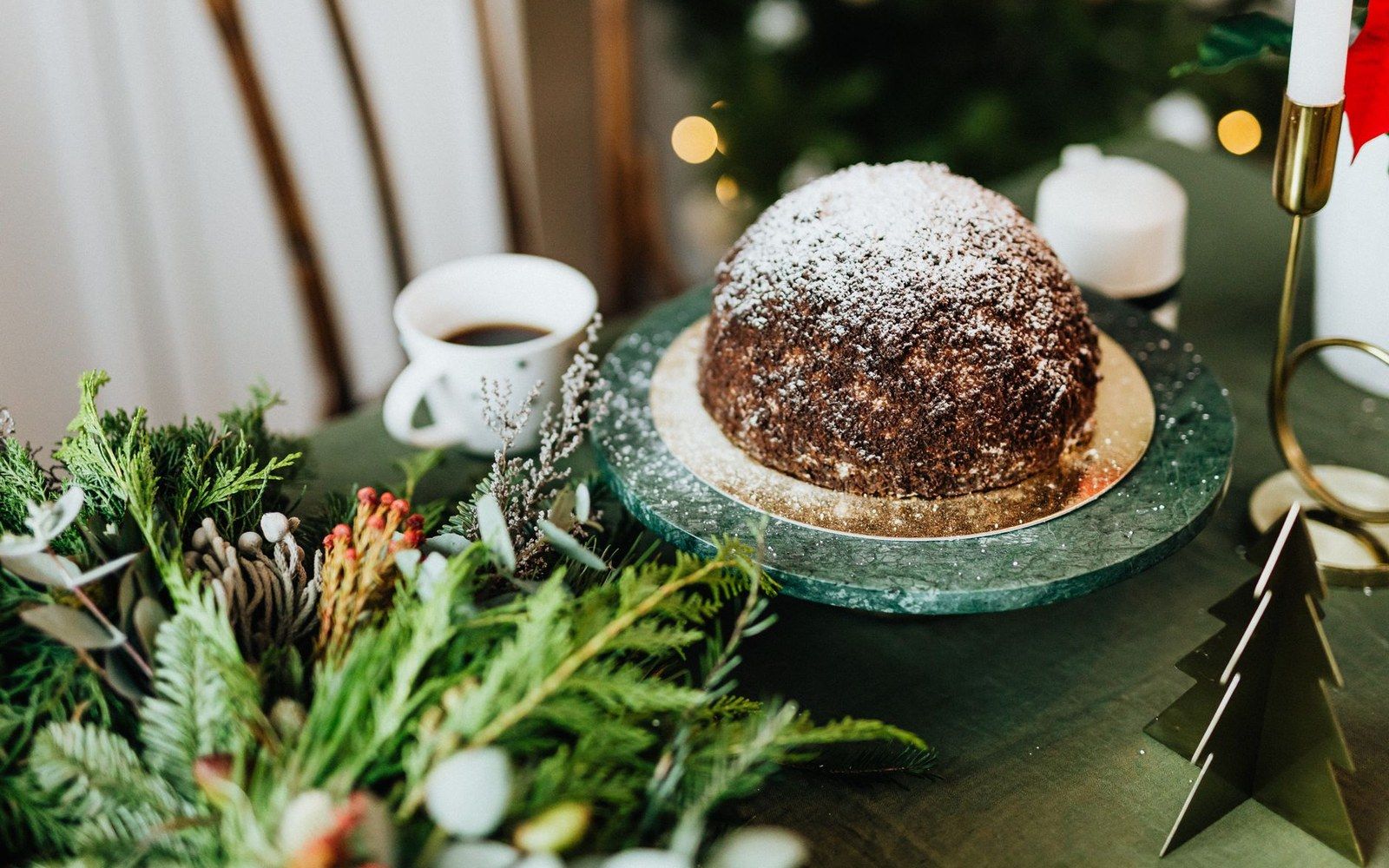
The Composition
A Christmas pudding is not complicated. It is, however, specific. The fruit does most of the work — dried vine fruit, meaning raisins, sultanas and currants, makes up the bulk of the weight and provides almost all the sweetness, chew and depth. In a well-proportioned recipe for a 1.2-litre basin serving eight, the full weight of dried fruit lands at 570g: 200g raisins, 200g sultanas and 170g currants. To those, add 75g mixed peel and 50g glacé cherries, halved, for a combined fruit total of about 695g.
The fat is beef suet, shredded — 110g. Suet is the hard fat surrounding beef kidneys; its high melting point means it does not fry the batter during steaming but disperses into it slowly, leaving the crumb moist and open. The flour is plain, 110g, sifted with 1 teaspoon mixed spice, ½ teaspoon ground cinnamon and a pinch of ground cloves. Alongside the flour come 110g fresh white breadcrumbs: not filler but structure, giving the pudding a lighter, less claggy crumb than flour alone would produce.
The sugars are dark muscovado, 110g — an unrefined cane sugar with high molasses content that is naturally damp — and one level tablespoon of black treacle, beaten in separately. Between them they account for almost all the pudding's colour; there is no food colouring in a recipe built this way. Three large eggs bind the batter. The liquid is 75ml each of dark rum and stout, plus the zest and juice of one unwaxed lemon and one orange. The spirit does double duty: it loosens the batter during mixing and, once poured over the finished pudding during the weeks that follow, preserves it and deepens the flavour through the practice known as feeding.
The Method, Without Shortcuts
The day before, put all the fruit — raisins, sultanas, currants, mixed peel, glacé cherries — into a large bowl. Pour over the rum and stout. Stir in the lemon and orange zest and juice. Cover with a plate and leave overnight at room temperature. The fruit will absorb most of the liquid.
On mixing day, which is Stir-up Sunday for those following the traditional calendar — the last Sunday before Advent — combine the flour, breadcrumbs, mixed spice, cinnamon and cloves in a very large mixing bowl. Stir in the suet and dark muscovado. Beat the treacle into the eggs, then add the egg-and-treacle mixture to the dry ingredients. Tip in the soaked fruit and any remaining liquid and fold everything together thoroughly. The batter will be very dark, dense and fruit-heavy; this is correct.
Grease a 1.2-litre pudding basin generously with butter. Spoon the mixture in, pressing it down to eliminate air pockets. The basin should be filled to within 2cm of the rim. Cut a circle of greaseproof paper and a circle of foil, each large enough to overhang the basin by 5cm. Lay the greaseproof over the foil and make a single pleat — a fold across the centre of both sheets together — to allow room for the pudding to rise during steaming. Place the pleated cover over the basin, foil-side up, and tie firmly with kitchen string around the rim; loop the string across the top to form a handle.
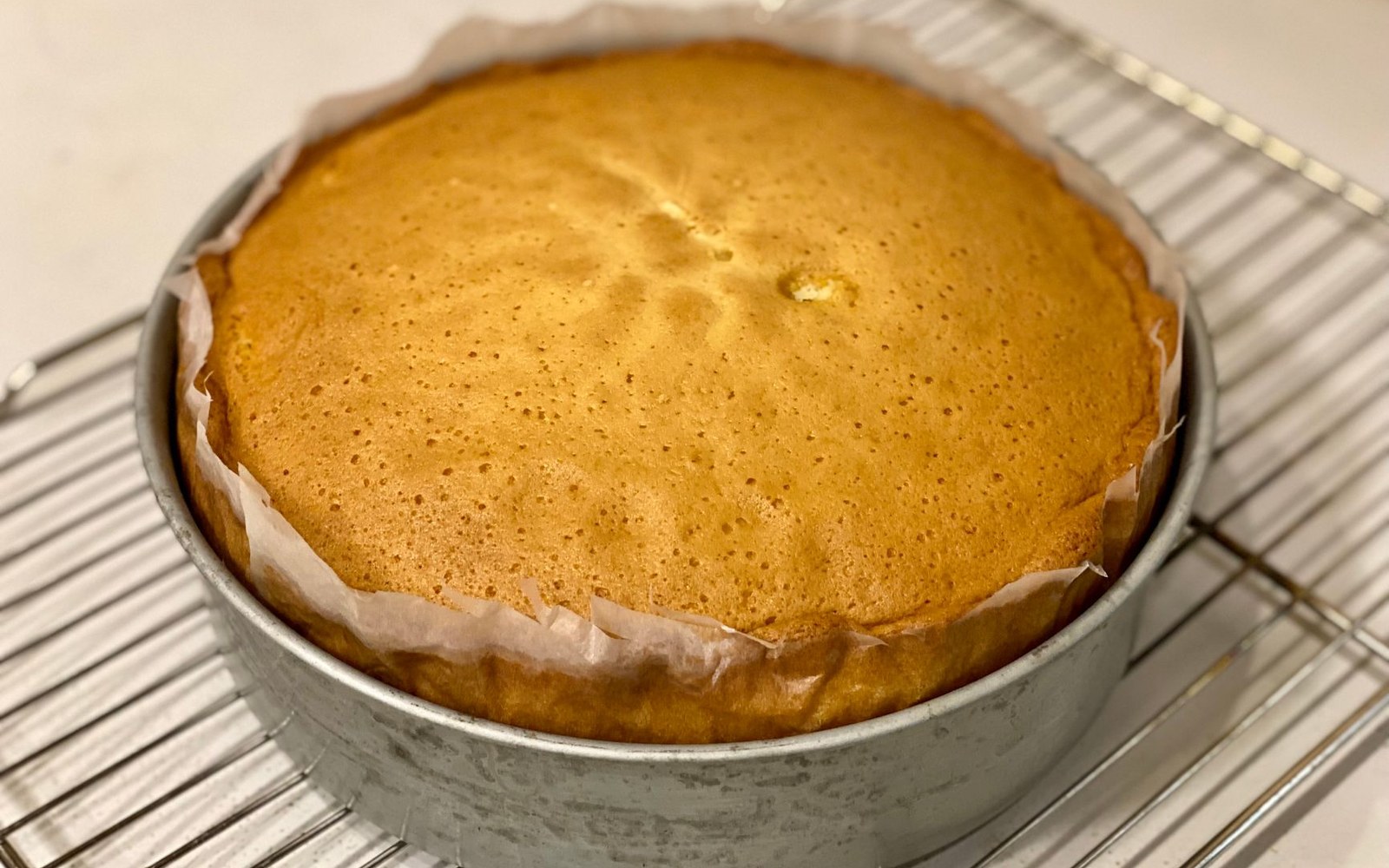
Steaming: first cook. Set a trivet, an upturned saucer or a folded tea towel in the base of a large, deep saucepan. Lower the pudding in. Pour in enough boiling water to come halfway up the side of the basin. Cover the pan with a tight lid, bring back to a steady simmer and steam for eight hours, checking the water level every hour and topping up with boiling water as needed. The water must not boil dry. After eight hours, lift the basin out carefully, cool to room temperature, then replace the greaseproof and foil with fresh sheets and re-tie. Store in a cool, dark cupboard.
Feeding Through November, and the Final Steam
Once a week until Christmas, unwrap the pudding, pierce the surface in several places with a skewer and spoon over one tablespoon of dark rum or brandy. Re-wrap immediately. Four or five feedings between Stir-up Sunday and Christmas is the working number for a pudding made at the traditional time; the spirit seeps through the crumb, deepening flavour while the alcohol preserves the pudding against mould. Store it cold and dark throughout — a north-facing cupboard or garage is ideal.
On Christmas Day, remove the pudding from storage two hours before you want to serve it. Re-cover with fresh greaseproof and foil, pleat as before, and steam again in the same way: two hours at a steady simmer for a pudding of this size. The pudding must be hot all the way through; two hours is not optional. While it steams, warm the serving plate and have your accompaniments ready. Brandy butter, made firm and cold from unsalted butter, icing sugar and brandy, is the orthodox accompaniment; a poured rum sauce suits those who prefer something fluid and hot.
To turn out, run a palette knife around the inside of the basin, place the warmed serving plate upside-down over the top and invert in one confident movement. The pudding should drop cleanly. To flame it, warm three tablespoons of brandy in a small pan until it just begins to steam — do not boil it — pour it over the pudding and apply a lit match to the surface immediately. The flame is brief, blue and traditional; it also burns off almost all the alcohol. According to food historian research held at the British Library, the flaming pudding became a firmly established Victorian set piece, and Isabella Beeton's 1861 recipe in Book of Household Management called for it explicitly.
The commercial Christmas pudding market remains large — Matthew Walker and Cole's are the dominant producers — but no shop-bought pudding has had eight weeks of feeding, and none will have been made in the cook's own kitchen on a Sunday in November with the specific gravity of fruit that this recipe carries. The eight hours on Stir-up Sunday are the investment; the rest of November is one tablespoon of spirit a week. The return, on Christmas afternoon, is considerable.