A Pudding You Can Start After Lunch: Feeding It Through November
Make it on Stir-up Sunday, feed it four times before Christmas, and it arrives at the table better than it left the kitchen.
The Sunday and the Work It Does
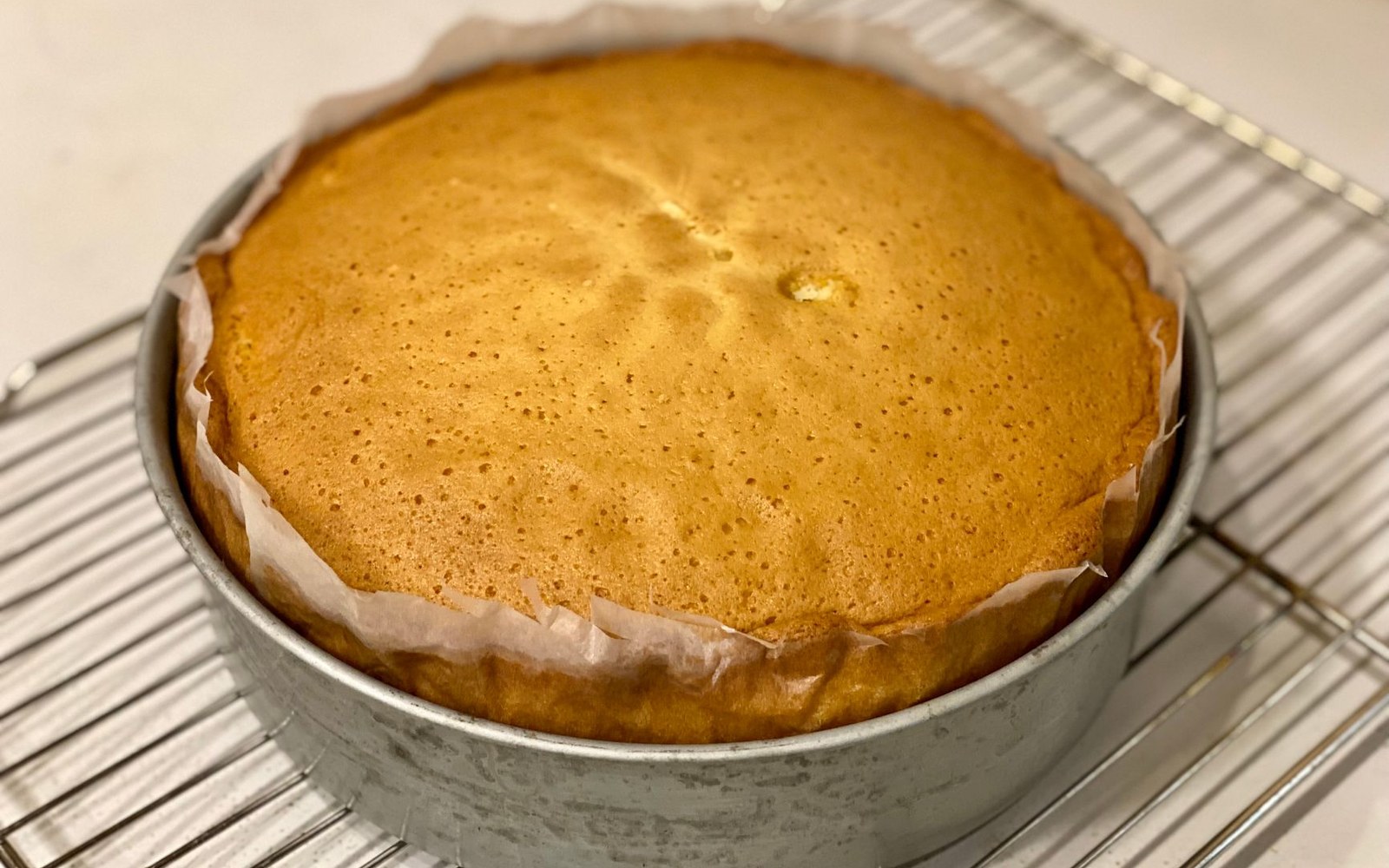
Stir-up Sunday — the last Sunday before Advent — falls in late November, which gives a homemade pudding between three and four weeks to mature before Christmas Day. That is enough time for the fruit to settle into the crumb, the spices to round out and the feeding spirit to do its quiet work. It is not a long maturation by historical standards — some households fed puddings from October — but it is sufficient, and for most cooks it is the practical limit.
The making itself is a half-day job: mix the fruit and dry ingredients the night before to let the dried vine fruit begin absorbing the eggs and spirit, then steam for six to eight hours the following day, starting after lunch. By late evening the pudding is out of the pot, cooling on the rack, and the feeding schedule can begin immediately.
What Feeding Is Actually Doing
Feeding — the practice of pouring spirit over a cooked pudding at intervals during storage — is not decoration. It performs three distinct functions. First, alcohol inhibits mould and bacterial growth, which matters because a suet pudding sealed with foil and string in a cool larder is not sterile. Second, the spirit carries flavour compounds into the crumb over time, integrating with the sugars from the dark muscovado and the bitterness of any black treacle in the batter. Third, repeated small additions of moisture prevent the pudding from drying out during a long storage period.
The spirit of choice is brandy, dark rum or whisky — each produces a different but legitimate result. Brandy is the classical option; dark rum amplifies the molasses note already present from the sugar; whisky brings a faintly smoky depth that suits a pudding heavy with mixed spice. The choice of accompaniment at the table is worth aligning with the feeding spirit, though it is not compulsory.
The Practical Schedule
Unmould the pudding carefully once cooled, skewer the base a dozen times with a cocktail stick or thin skewer, and pour over two tablespoons of spirit. Re-cover tightly with a double layer of greaseproof paper and then foil, and store in a cool, dark place — a larder or a cold cupboard, not the refrigerator, which is too dry.
Feed again at weekly intervals: once the Sunday after making, once the following Sunday, and a final time approximately a week before Christmas. That gives four feeds in total including the day of making — roughly eight tablespoons of spirit across the entire maturation. More than this and the pudding can taste spiritous rather than rich; less and the flavour integration is incomplete. The quantity per feed should decrease slightly toward Christmas so the final steam on the day does not drive raw alcohol through a pudding that has had insufficient time to absorb the last addition.
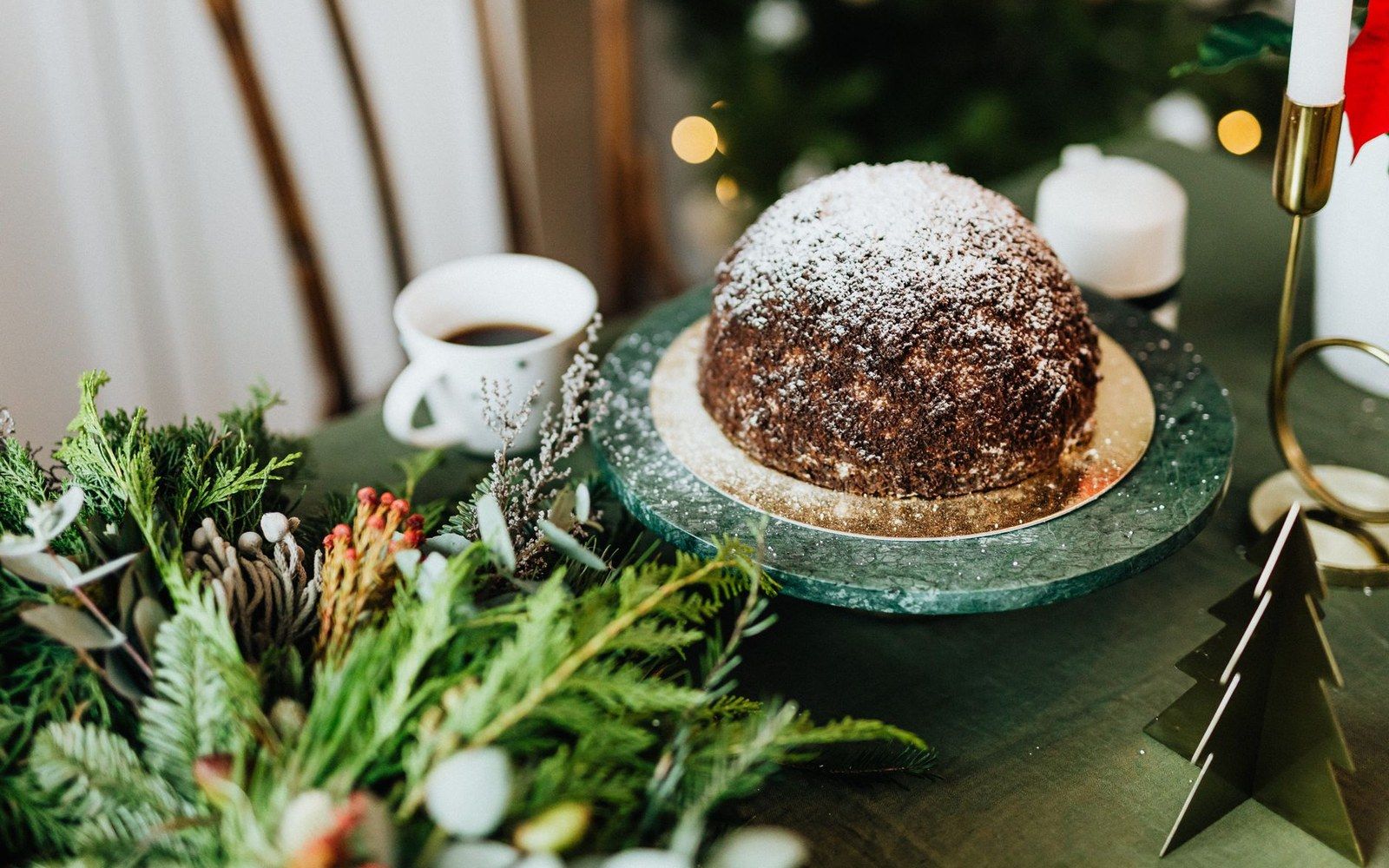
On Christmas Day, steam the pudding for a further two hours to reheat it completely and allow the structure to relax. A pudding that has been properly fed needs no additional spirit poured over before flaming — there is enough alcohol already present in the surface to catch, though a tablespoon of warmed brandy pooled in the top depression of the turned-out pudding ensures a clean flame.
The entire schedule asks for perhaps twenty minutes of attention spread across four weeks. What it returns is a pudding whose fruit has become indistinguishable from the crumb around it, whose surface carries a slight gloss, and whose smell when the lid comes off the basin on Christmas morning is quite different — darker, more integrated — than anything that went into the pot on that Sunday afternoon in November.