Rum Sauce
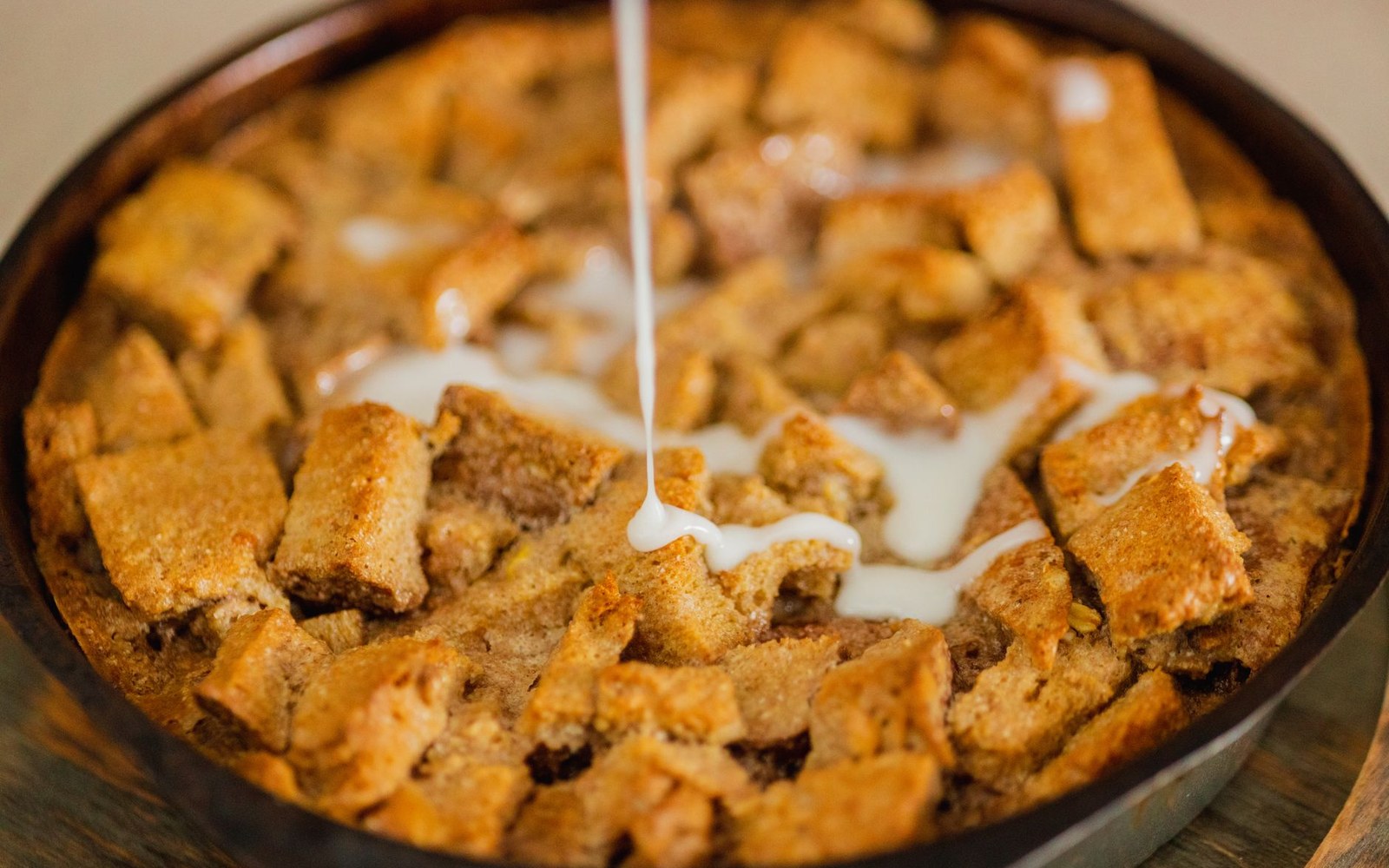
A poured white sauce with rum added off the heat — the step that keeps the spirit in the sauce, not the steam
The Recipe
Rum sauce is a white sauce with a measure of rum, and the method for making it is the method for making any poured béchamel: butter melts in a heavy saucepan, flour goes in and cooks briefly, then warm milk is added gradually and the whole thing is stirred over a medium heat until it thickens. That is three-quarters of the work. The last quarter is the rum, and when it goes in decides everything.
Melt 25 g unsalted butter in a small saucepan over a medium heat. Add 25 g plain flour and stir constantly for 90 seconds — the paste should smell faintly biscuity, not raw. Remove from the heat and add 300 ml full-fat milk a little at a time, whisking each addition smooth before adding the next. Return to a medium heat and stir until the sauce thickens and coats the back of a spoon, about five to six minutes from when the last of the milk went in. Season with 1 tablespoon caster sugar and a pinch of fine salt.
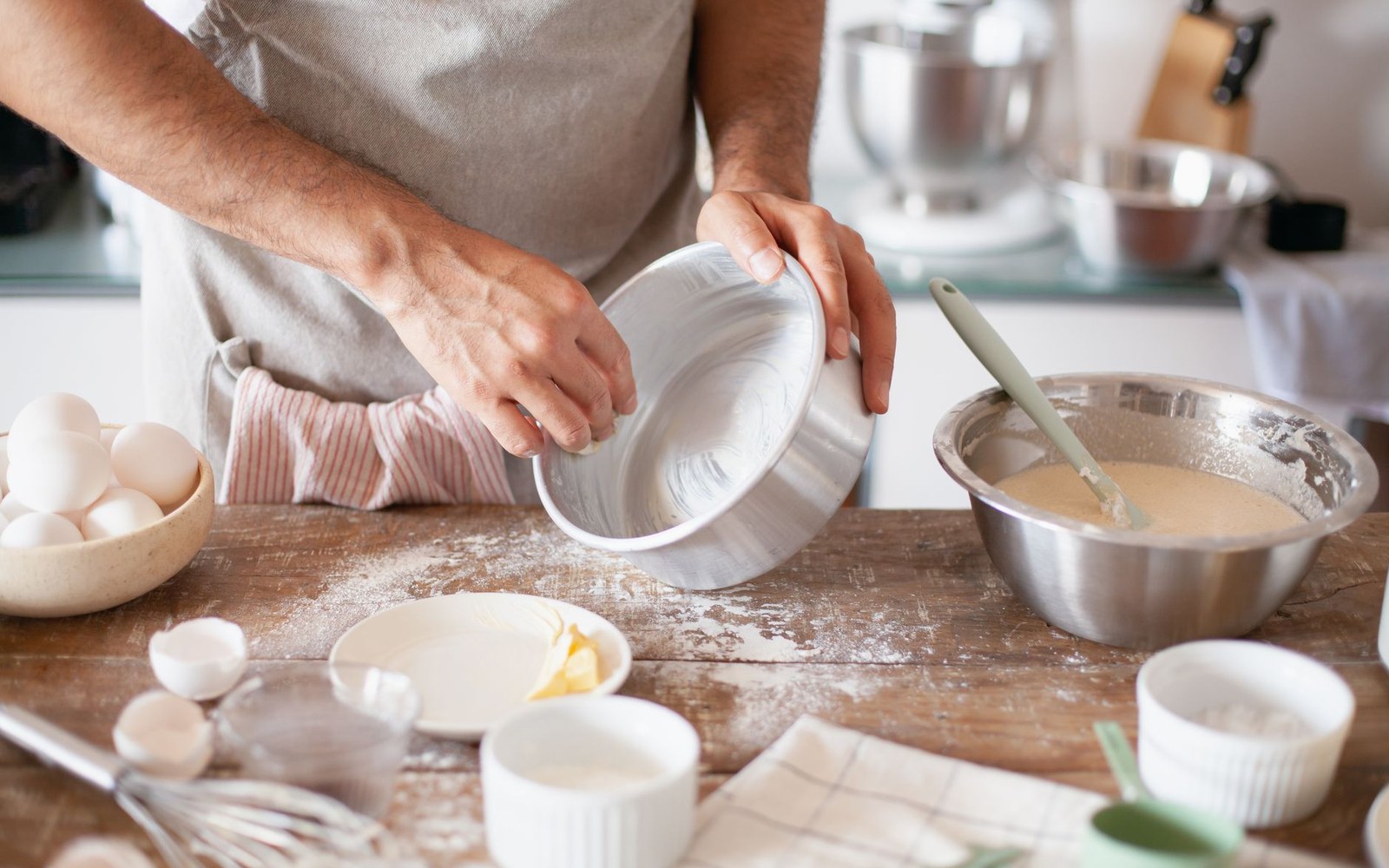
Take the pan off the heat entirely. Add 3 tablespoons dark rum — approximately 45 ml — and stir to combine.
Why the Rum Goes In Last
Ethanol boils at 78 °C, well below the temperature of a sauce still sitting on a working ring. If rum is added to a sauce still over heat, the alcohol cooks off within seconds, and what remains is the colour and a background sweetness with almost no character. The warm sauce at the point of service carries enough residual heat to marry the spirit and thin the sauce slightly, but not enough to drive the alcohol away. That preserved alcohol is precisely what distinguishes rum sauce from a sweet white pouring sauce; ethanol is the principal carrier of rum's volatile aroma compounds, and losing it flattens everything else.
A dark rum — Jamaican styles carry the most pronounced flavour — is the right choice here. The sauce should be served immediately after the rum goes in, still hot enough to pool across a portion of Christmas pudding and melt into the crust. It will not hold; reheat it without the rum and add the spirit fresh each time.