Treacle Sponge, Steamed the Long Way
Golden syrup sets the base; a butter sponge sits above it. Two hours of steam is what separates a proper treacle sponge from a warm cake.
The Syrup, the Batter, the Basin
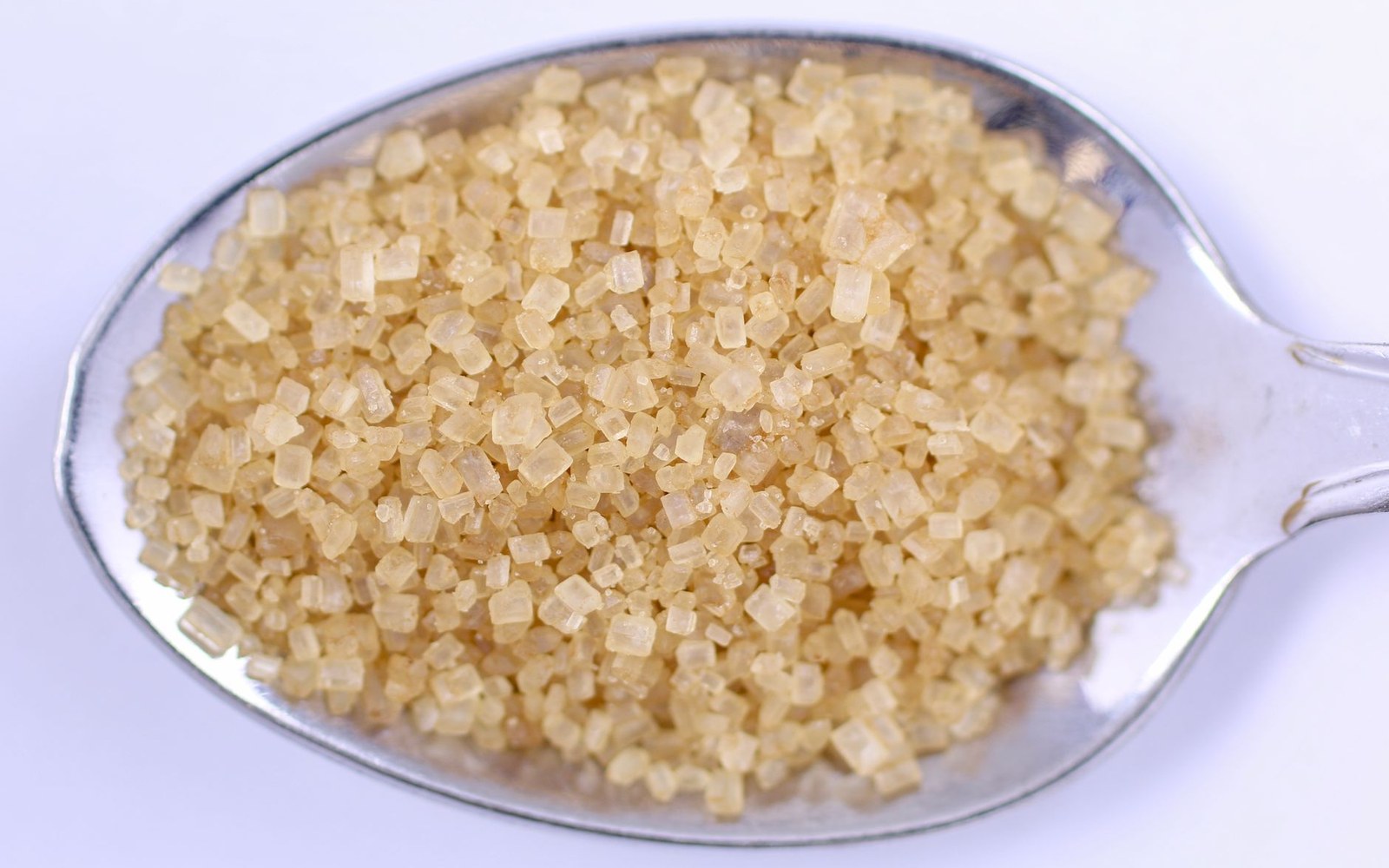
Spoon three tablespoons of golden syrup — roughly 90g — into the base of a lightly buttered 1.2-litre pudding basin. The syrup will pool and sit there, which is exactly what it should do. It needs no stirring, no encouragement. When the pudding is turned out, that layer becomes the sauce: dark, amber, faintly bitter from the invert sugars that golden syrup is made from.
The sponge is a straightforward creamed batter. Beat 175g of softened unsalted butter with 175g of caster sugar until genuinely pale — four minutes by hand, two in a stand mixer. Add three large eggs one at a time, beating between each, then fold in 175g of self-raising flour sifted with a quarter-teaspoon of fine salt. The mix should drop reluctantly from the spoon. If it is stiff, add a tablespoon of milk. If it pours, something has gone wrong at the creaming stage and the eggs have curdled in — start again. Spoon the batter into the basin on top of the syrup, level the surface, and cover with a double layer of greaseproof paper and a layer of foil, all pleated across the centre to allow for rise. Tie it securely under the lip with kitchen string.
Lower the basin into a pan deep enough to take it comfortably. Pour in boiling water to come halfway up the sides of the basin, put a tight lid on the pan, and maintain a steady simmer for two hours. Top up with boiling water from a kettle at the hour mark — never let the pan boil dry, and never let it boil hard enough to rattle the basin. The goal is a controlled, consistent steam: enough heat to drive the batter up and set it, not so much that it forces water through the foil.
Why Two Hours, and Why Not the Oven
The difference between steaming and baking this batter is not cosmetic. In a 180°C oven, the same mixture will be cooked through in 35 to 40 minutes and will have a slightly open, springy crumb with a crust at the top and sides. That is a good cake. It is not a treacle sponge.
Steam holds the temperature at 100°C throughout the cooking period, which is lower than any oven setting. The slower, wetter heat produces a closer, more tender crumb with a distinct density in the finished pudding — not stodgy, but present in the way a steamed pudding should be. The syrup at the base, which would caramelise and harden at oven temperatures, stays pourable under steam. When the pudding is turned onto a warm plate, it runs immediately and evenly across the surface. Baked, that same syrup would grip the basin and tear the sponge pulling it out.
Steamed suet puddings follow the same principle — long, low, wet heat producing a set that dry oven heat cannot replicate — but a butter sponge is more delicate and more prone to going tight if the steam is too fierce. Keep the simmer gentle throughout.
Check for doneness with a thin skewer inserted through the foil at the end of the two hours. It should come out clean. If there is wet batter on it, re-cover and give it another 15 minutes. A properly steamed treacle sponge will have pulled slightly away from the sides of the basin and will feel firm at the centre when the foil is lifted.
Run a palette knife around the inside edge of the basin, set a warmed plate over the top, invert swiftly and let it sit for one minute before lifting the basin away. Serve immediately, with a poured custard or with cold double cream, both of which work against the warm syrup without competing with it.