Sticky Toffee Pudding
Individual moulds give a better crust-to-centre ratio than a single dish — and the dates go in as a purée, not whole.
The Sponge
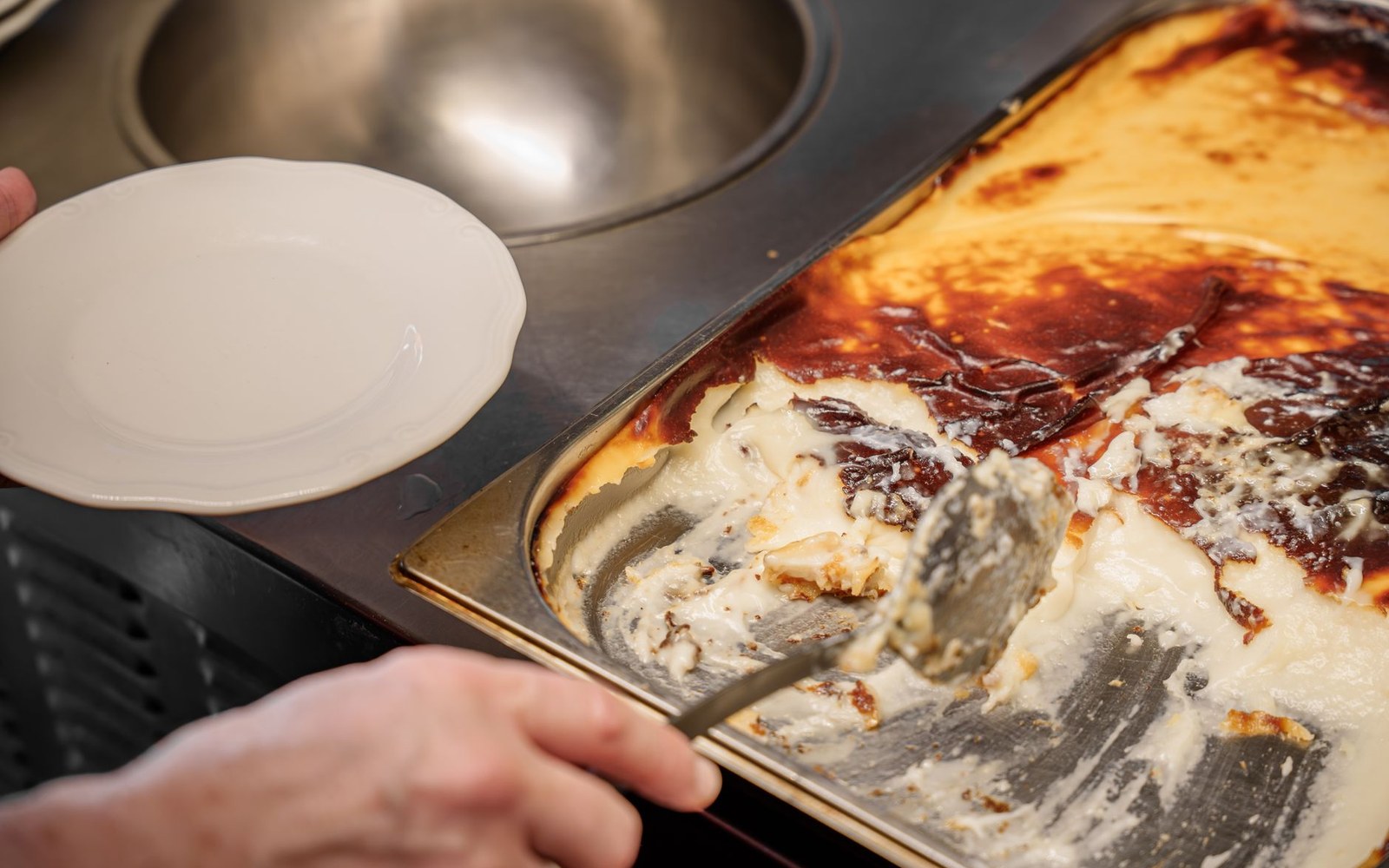
Sticky toffee pudding is younger than it looks. The dish appeared in something close to its current form at Sharrow Bay Hotel in Cumbria during the 1970s, credited to chef Francis Coulson, though its precise origins remain contested among food historians. What is not contested is the method: Medjool dates, stoned and soaked in boiling water with bicarbonate of soda, then puréed into the batter. They disappear completely into the sponge, contributing moisture, depth and a fudgy density that no other ingredient replicates.
Use 200g of Medjool dates, stoned and roughly chopped, covered with 175ml of just-boiled water and half a teaspoon of bicarbonate of soda. Leave them for ten minutes; the soda softens the skins and begins to break down the flesh. Then blend to a smooth paste — a stick blender is fine. The mixture will be dark brown and thick.
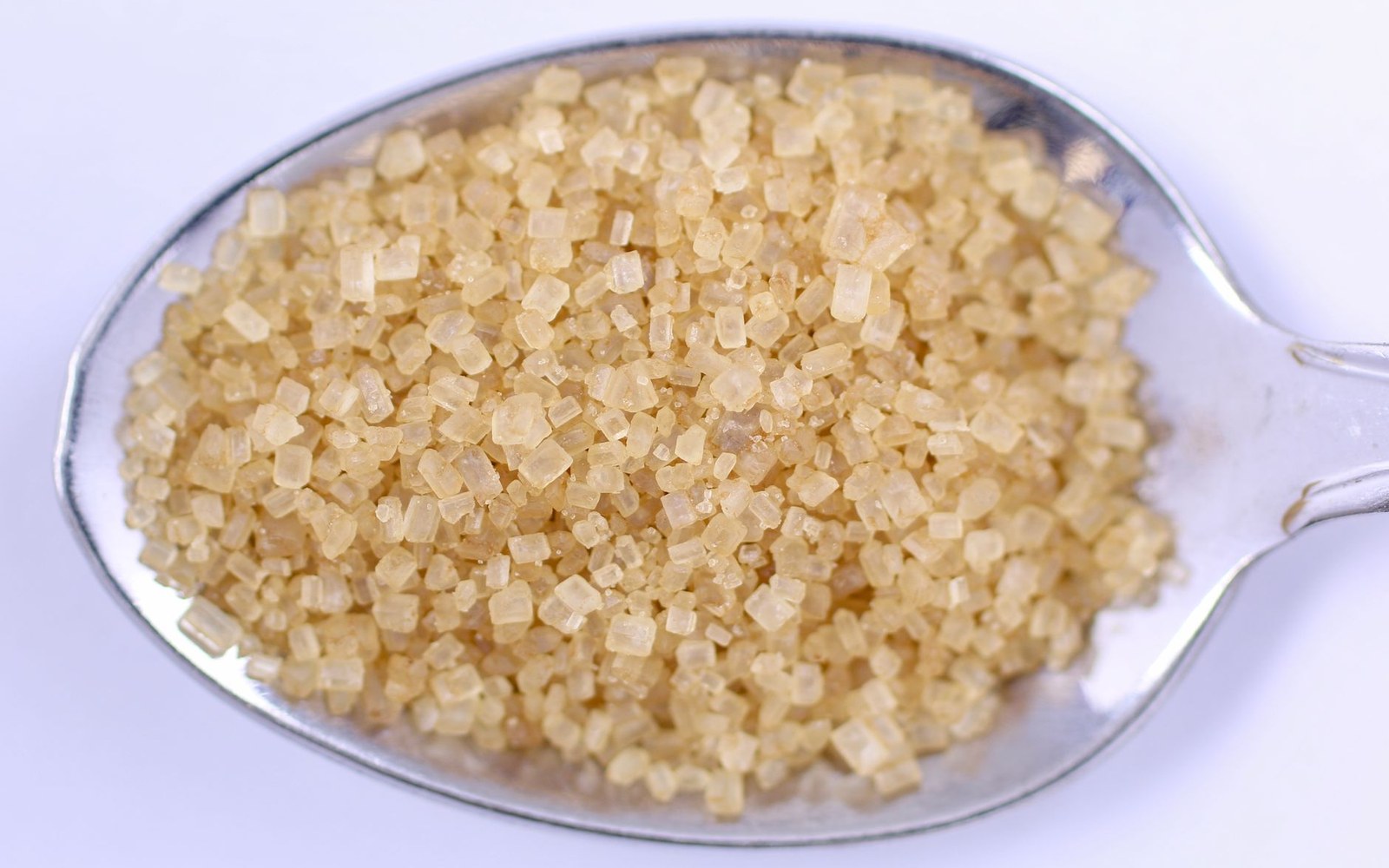
For the sponge, cream 60g of unsalted butter with 140g of light muscovado sugar until pale. Beat in two eggs, one at a time. Fold in 175g of self-raising flour and a pinch of fine salt, then stir through the date purée. The batter will be looser than most sponge batters; this is correct. A little vanilla extract — half a teaspoon — is optional but suits the flavour.
Individual Moulds Versus a Single Dish
The choice of vessel is not cosmetic. Individual dariole moulds or metal pudding cups, each holding roughly 175ml and buttered generously, produce a pudding with four sides of crust and a soft, barely-set centre — the crust being the part that absorbs the most toffee sauce. A single baking dish gives one crust on top, a softer texture throughout, and a longer baking time, typically 35 to 40 minutes at 180°C fan. The result is more homogenous and, for that reason, less interesting.
Fill individual moulds to two-thirds. Bake at 180°C fan for 18 to 20 minutes. The tops will spring back when pressed lightly; a skewer should come out with a few moist crumbs rather than clean. Pull them at that point. Overbaking is the consistent error with this pudding — a few extra minutes and the centre tightens, the texture becomes cakey rather than fudgy, and no amount of sauce will recover it.
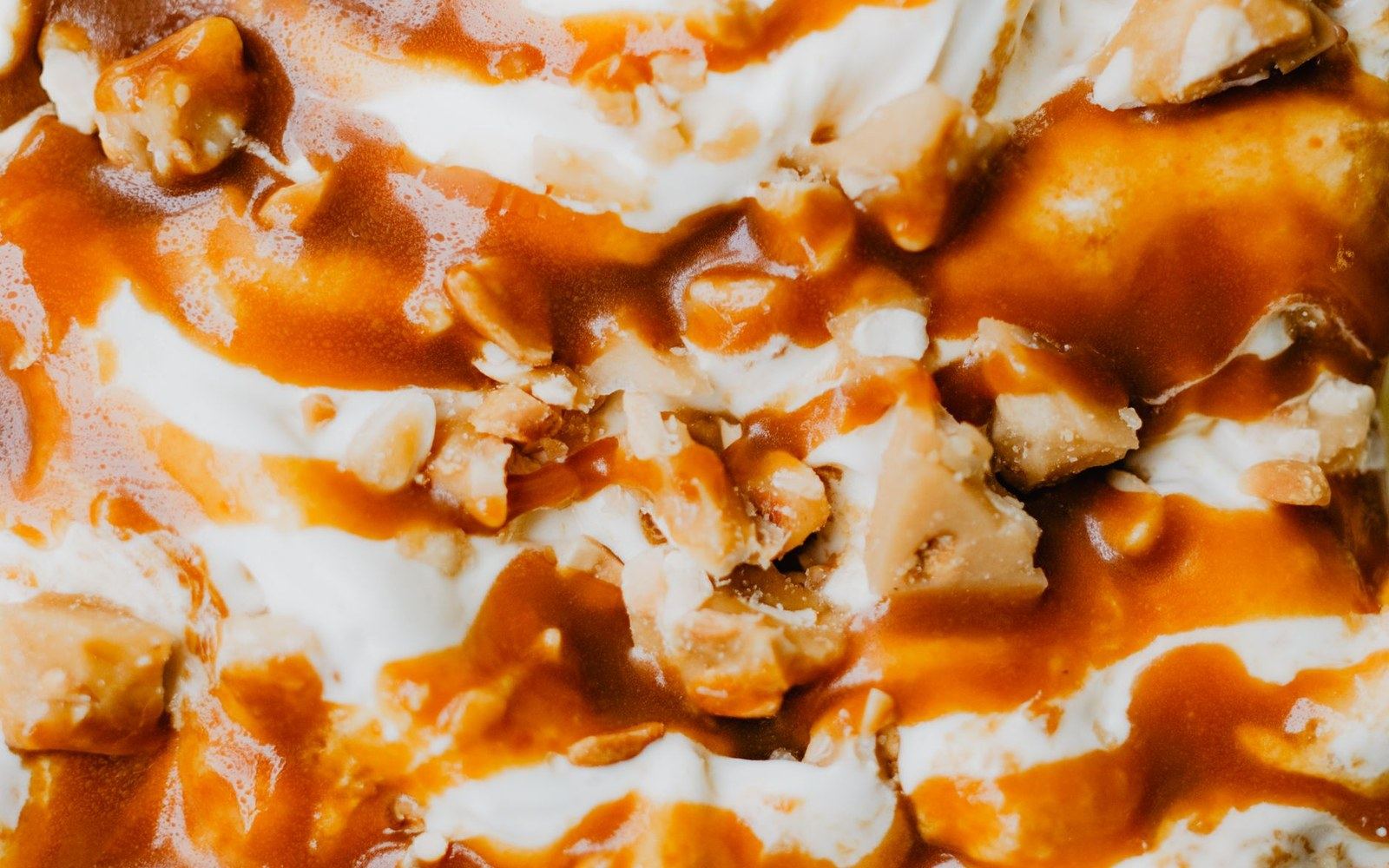
Turn the puddings out immediately onto a baking tray lined with foil. Spoon four or five tablespoons of toffee sauce over each one, then return the whole tray to the oven for four minutes. This second bake is what distinguishes a properly finished sticky toffee pudding from one that is merely sponge with sauce on top: the sauce soaks into the exposed sides, caramelises slightly around the base, and the pudding becomes itself.
The Sauce
The toffee sauce is made separately and kept warm. Melt 100g of unsalted butter in a heavy saucepan over medium heat. Add 175g of light muscovado sugar and stir until dissolved, then pour in 200ml of double cream. Bring to a gentle boil, stirring, and cook for three to four minutes until slightly thickened. Add a generous pinch of sea salt. The sauce should coat a spoon but pour easily; it will thicken further as it cools, so make it just before serving and keep it in the pan on the lowest possible heat.
Dark muscovado sugar would work in the sauce and deepens the colour, though the bitterness competes with the dates in a way that light muscovado does not. Light muscovado is the better choice here; save the dark for Christmas pudding batter where the bitter edge is the point.
Serve the puddings in shallow bowls with more sauce poured at the table. Vanilla ice cream or crème fraîche cuts the richness better than whipped cream, which adds fat to fat without relief. Custard is not wrong but the pudding is already sauced; it tips the balance.
The recipe makes six individual puddings. They reheat well: three minutes in a 160°C oven, covered with foil, with fresh sauce alongside.