Dark Muscovado, Damp on Purpose, and One Spoon of Black Treacle
Two sugars that do different work — and why getting their ratio right changes the character of the finished pudding.
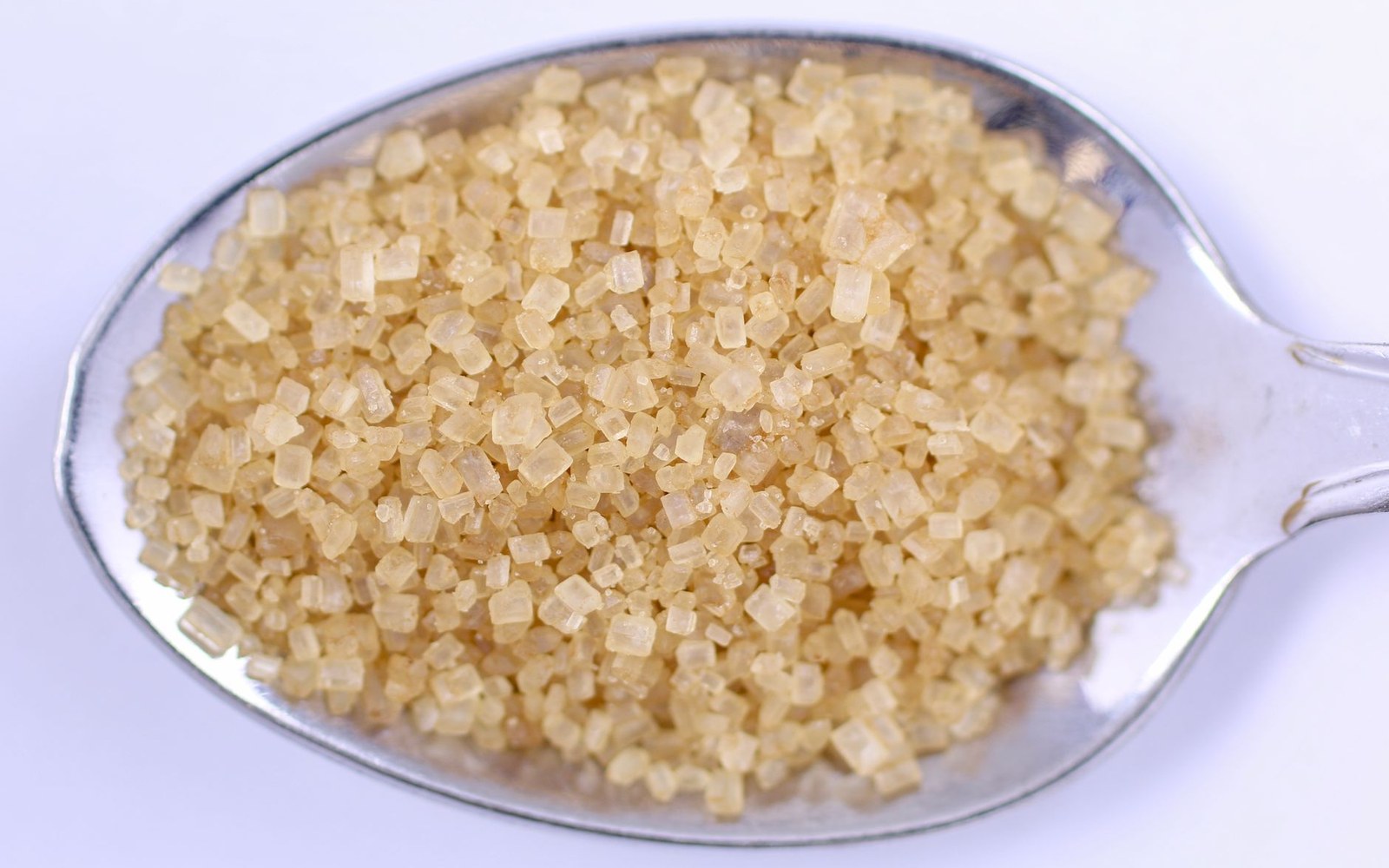
The Sugars and What They Do
Dark muscovado is an unrefined cane sugar in which the molasses has never been separated out. It arrives in the packet damp, almost sticky, with a flavour that sits between bitter chocolate and raw rum. That moisture is not a flaw: the high molasses content makes the sugar hygroscopic, meaning it actively attracts and holds water, which is part of why a Christmas pudding stays moist through months of storage and repeated steaming. Packed into a measuring cup, it has the density of wet sand. In the batter it contributes darkness, bitterness and a fudge-like depth that refined brown sugar — which is simply white sugar with a surface coating of molasses — cannot replicate.
Black treacle is a different beast. A by-product of cane sugar refining, it is what remains after the maximum practical amount of sucrose has been extracted from the boiled juice. The result is intensely dark, thick enough to ribbon slowly off a spoon, and sharply bitter. A tablespoon — the standard quantity in most traditional recipes — adds colour without adding sweetness in any straightforward way. Too much and the pudding tastes medicinal; too little and the colour stays amber rather than near-black.
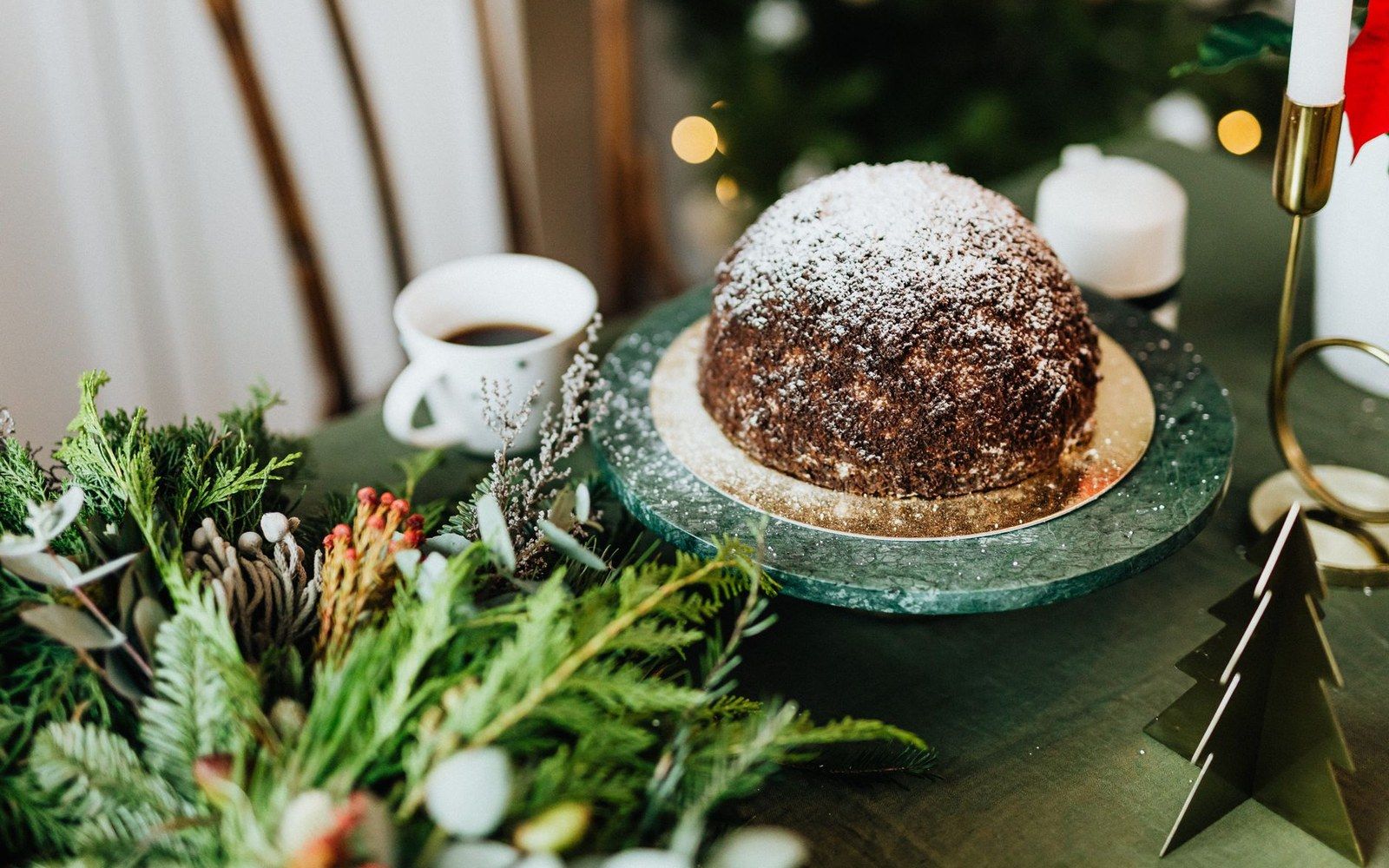
The ratio between the two determines the finished result. A pudding built on muscovado alone reads as rich and warming; add the treacle and the bitterness sharpens, the colour deepens to mahogany, and the aftertaste lengthens. Some recipes substitute a small amount of dark muscovado for black treacle entirely, producing a noticeably softer, less aggressive flavour — suitable for those who find the classic pudding too confrontational, though it sacrifices the characteristic darkness that defines the thing visually and on the palate.
Neither sugar should be swapped for its paler cousins. The molasses is the point.