Bread-and-Butter Pudding
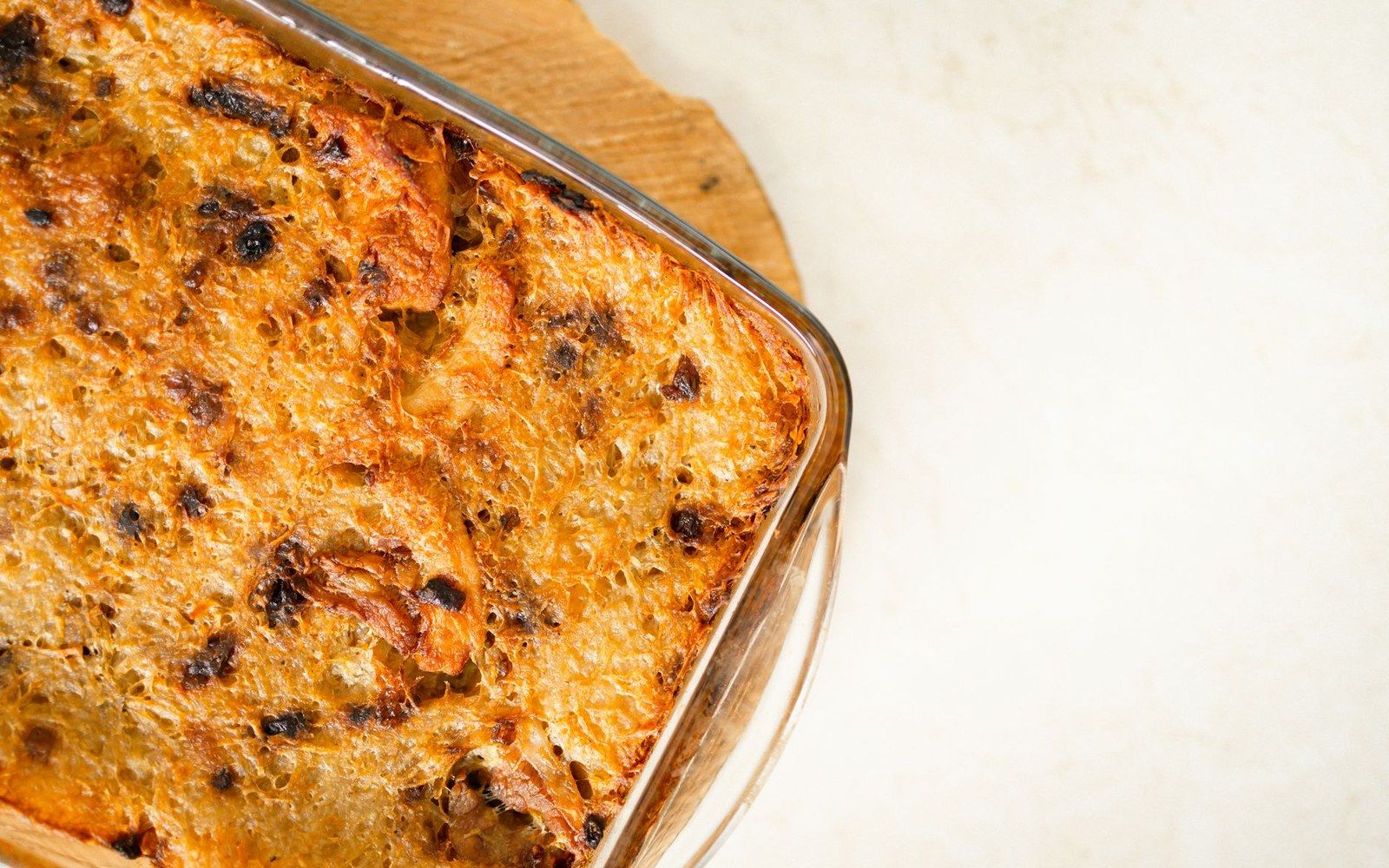
White bread, butter, custard and time — the ratio that matters most is between eggs and liquid.
The Method
Butter a 1.5-litre ovenproof dish. Take 8 thick slices of white bread — a day-old bloomer or sandwich loaf — and butter them generously on one side, then cut each slice in half diagonally. Arrange the triangles in overlapping rows, buttered side up, in the dish.
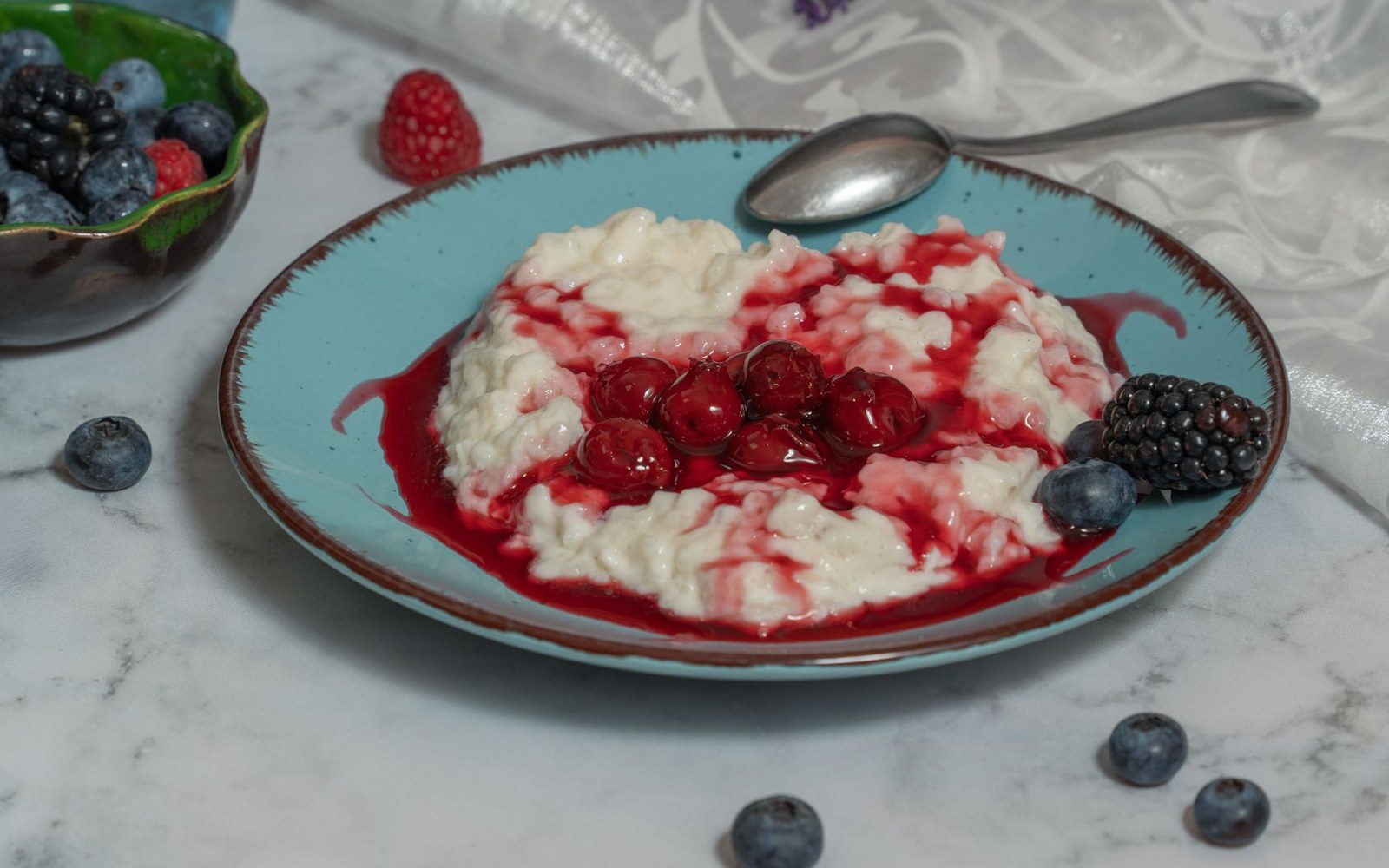
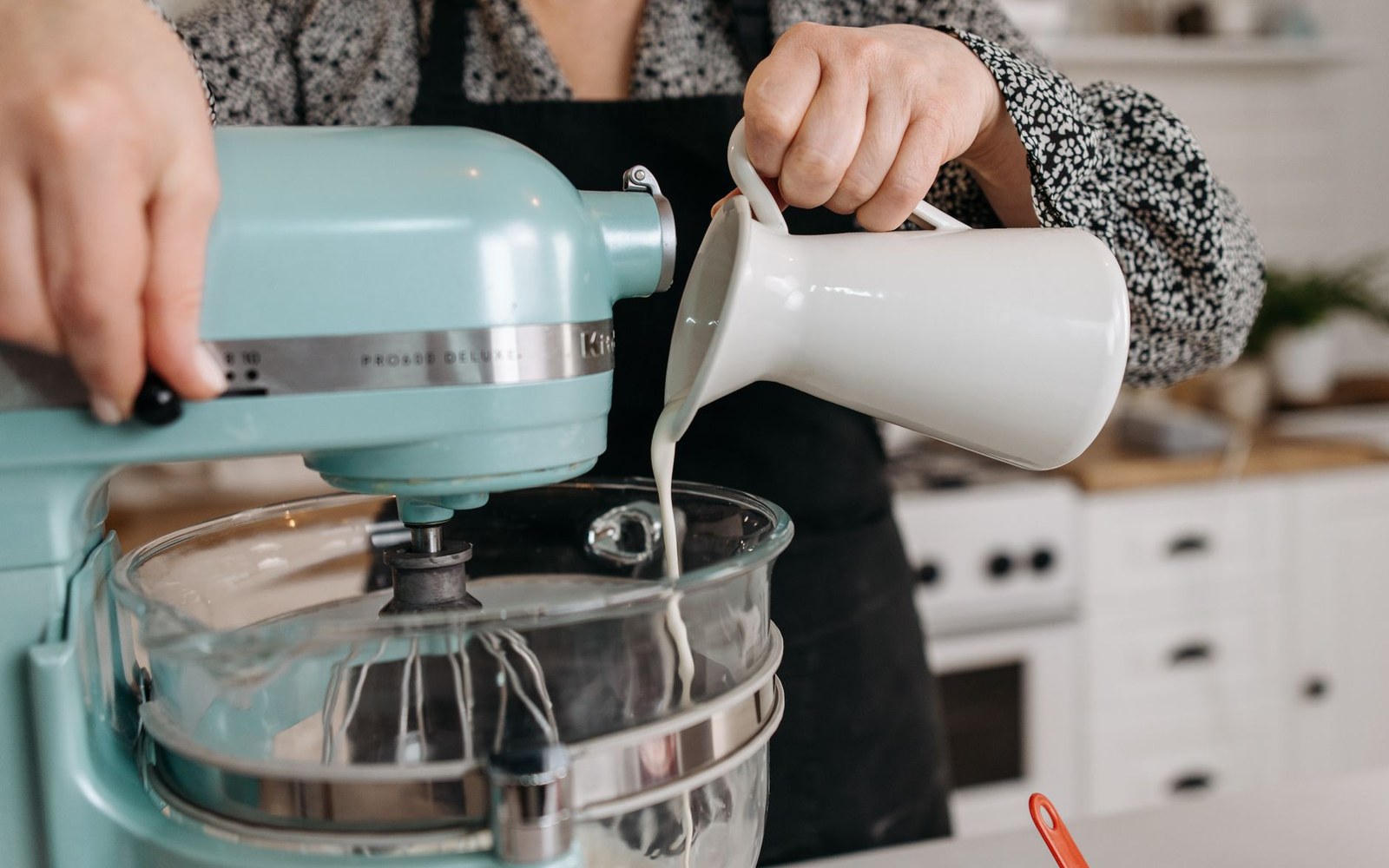
For the custard, whisk 3 whole eggs and 2 egg yolks together, then whisk in 50 g of caster sugar. Heat 300 ml of full-fat milk and 200 ml of double cream together until just steaming — not boiling — and pour the hot liquid slowly over the eggs, whisking constantly. A fistful of raisins scattered between the bread layers is traditional; a grating of nutmeg over the top is not optional.
Pour the custard over the arranged bread and press the slices gently down so they begin to absorb the liquid. Then leave it. Thirty minutes is the minimum soaking time; an hour is better. The bread must be thoroughly saturated, not merely damp at the edges — this is the step most often rushed, and the one that matters.
Warm 2 tablespoons of orange marmalade with a splash of water in a small pan until it loosens, then brush it over the exposed bread tips. This glaze gives the peaks their characteristic lacquered bitterness and shine.
Set the dish in a bain-marie — a roasting tin half-filled with hot water — and bake at 160 °C (fan 140 °C) for 35 to 40 minutes. The custard should be set at the edges and carry the faintest tremble at the centre when the dish is nudged. A higher temperature will scramble the eggs; lower, and the custard never quite firms. The Maillard reaction gilding the bread tips happens in the final few minutes — watch it.
Rest for ten minutes before serving. The custard continues to firm as it cools and will slice cleanly if left longer, though most people prefer it eaten immediately from the dish, while the top is still crisp.